20 French Words We Use in English Every Day
Learn a new word every day
Free on iOS & Android

You already speak more French than you think. From rendezvous to sangfroid, here are 20 French words that slipped quietly into everyday English — plus the stories behind where each one came from.
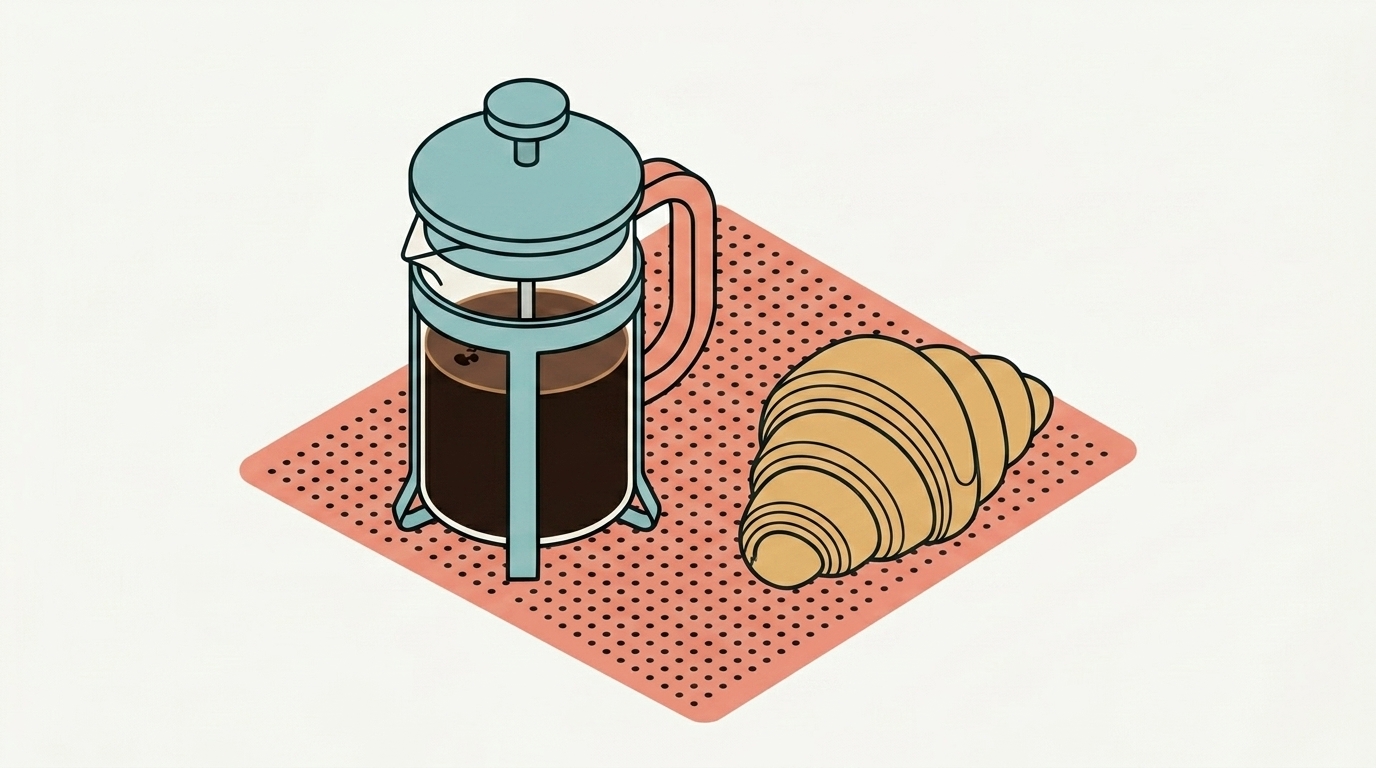
20 French Words We Use in English Every Day
You already speak more French than you think. When the Normans crossed the Channel in 1066, they brought their language with them — and it never left. Roughly a third of English vocabulary traces back to French, which is why so many of our most elegant, everyday words still carry a faint French accent.
Below are 20 French-derived words that have settled comfortably into English. Some you use without a second thought; a few still feel deliciously foreign. Either way, once you know where they came from, you will never hear them quite the same way again.
People, and the ways we connect
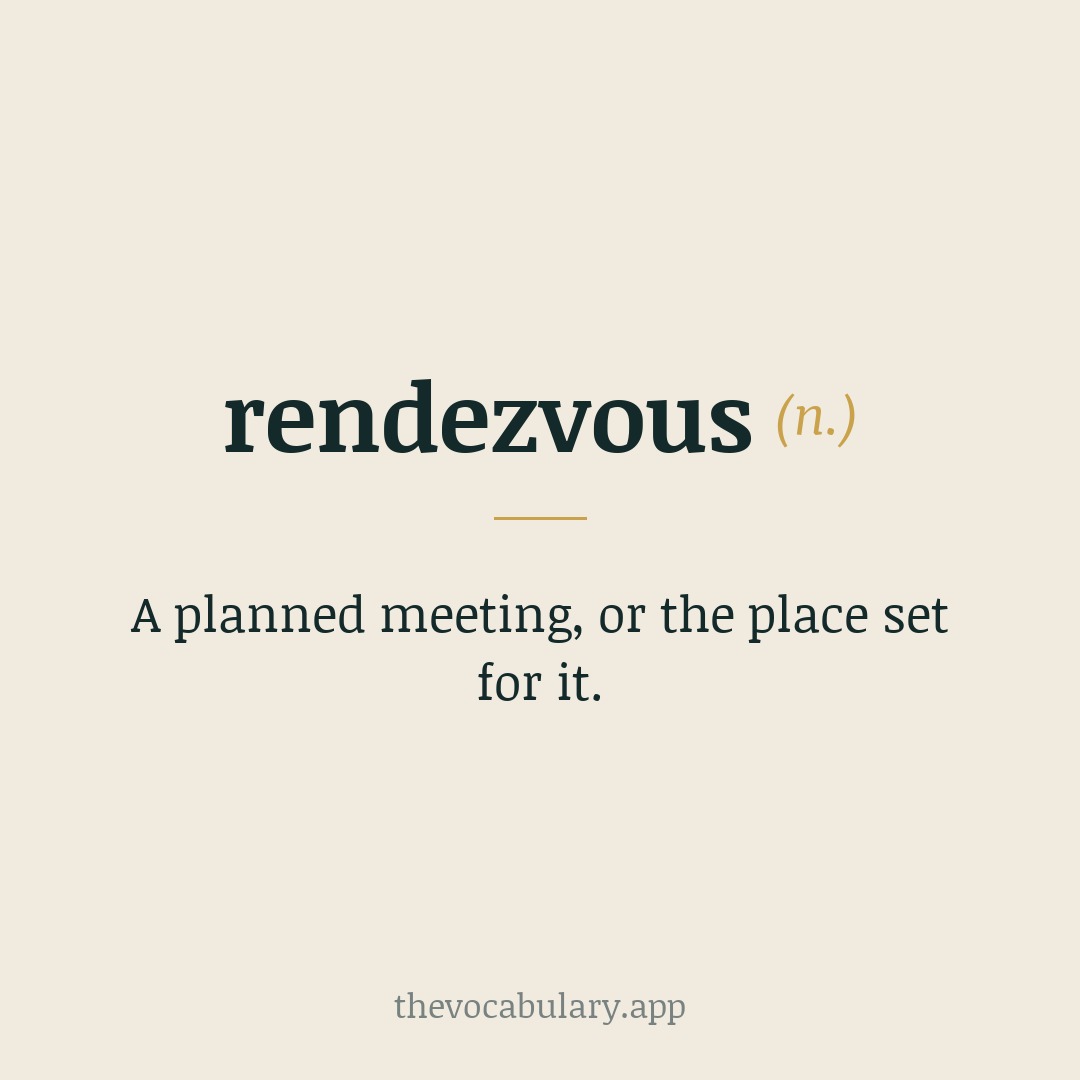
1. Rendezvous (n.) — A planned meeting, or the place chosen for it. — from French rendez-vous, meaning “present yourselves.”
2. Liaison (n.) — A person who keeps two groups communicating and cooperating. — from French lier, “to bind.”
3. Rapport (n.) — An easy, mutual understanding between people. — from French rapporter, “to bring back.”
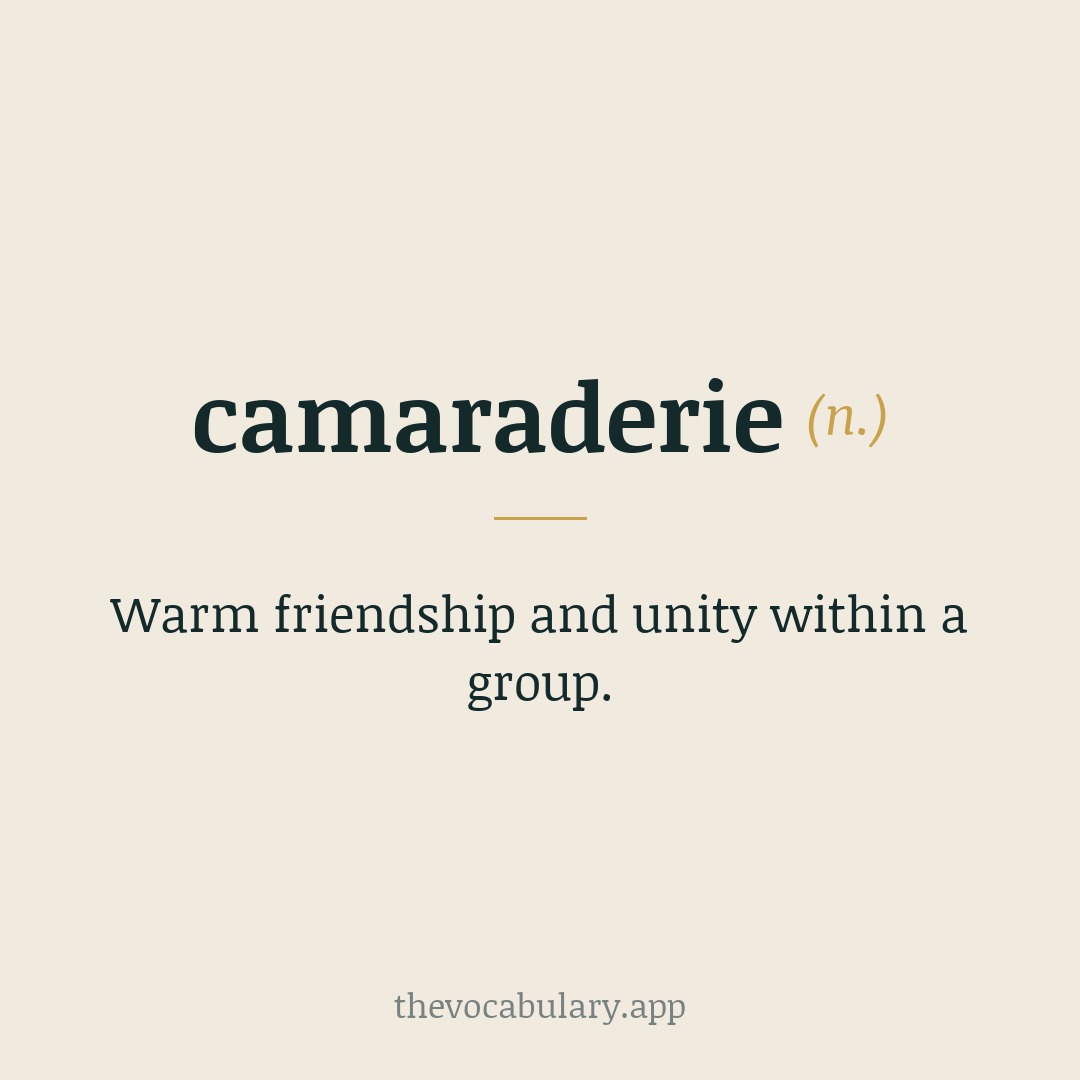
4. Camaraderie (n.) — The warm, easy unity shared by a close group. — from French camarade, “comrade.”
5. Protégé (n.) — Someone guided and championed by an experienced mentor. — from French protéger, “to protect.”
6. Bonhomie (n.) — Good-natured, effortless friendliness. — from French bonhomme, “good-natured man.”
Mood, style, and the way we carry ourselves
7. Debonair (adj.) — Charming, polished, and effortlessly sophisticated. — from Old French de bon aire, “of good stock.”
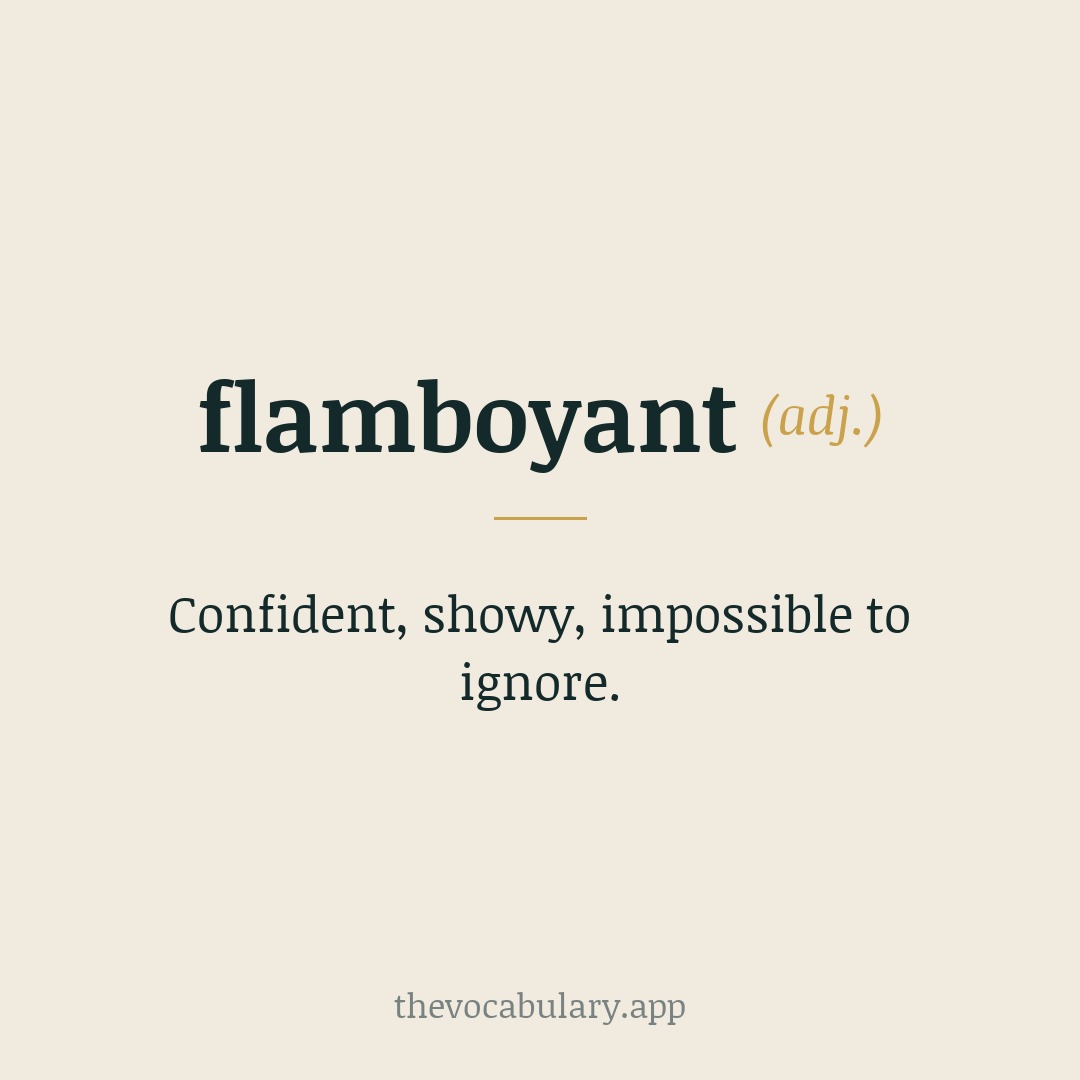
8. Flamboyant (adj.) — Boldly confident and showy, impossible to ignore. — from French flamboyer, “to flame.”
9. Insouciance (n.) — A relaxed, carefree lack of concern. — from French insouciant, from soucier, “to trouble.”
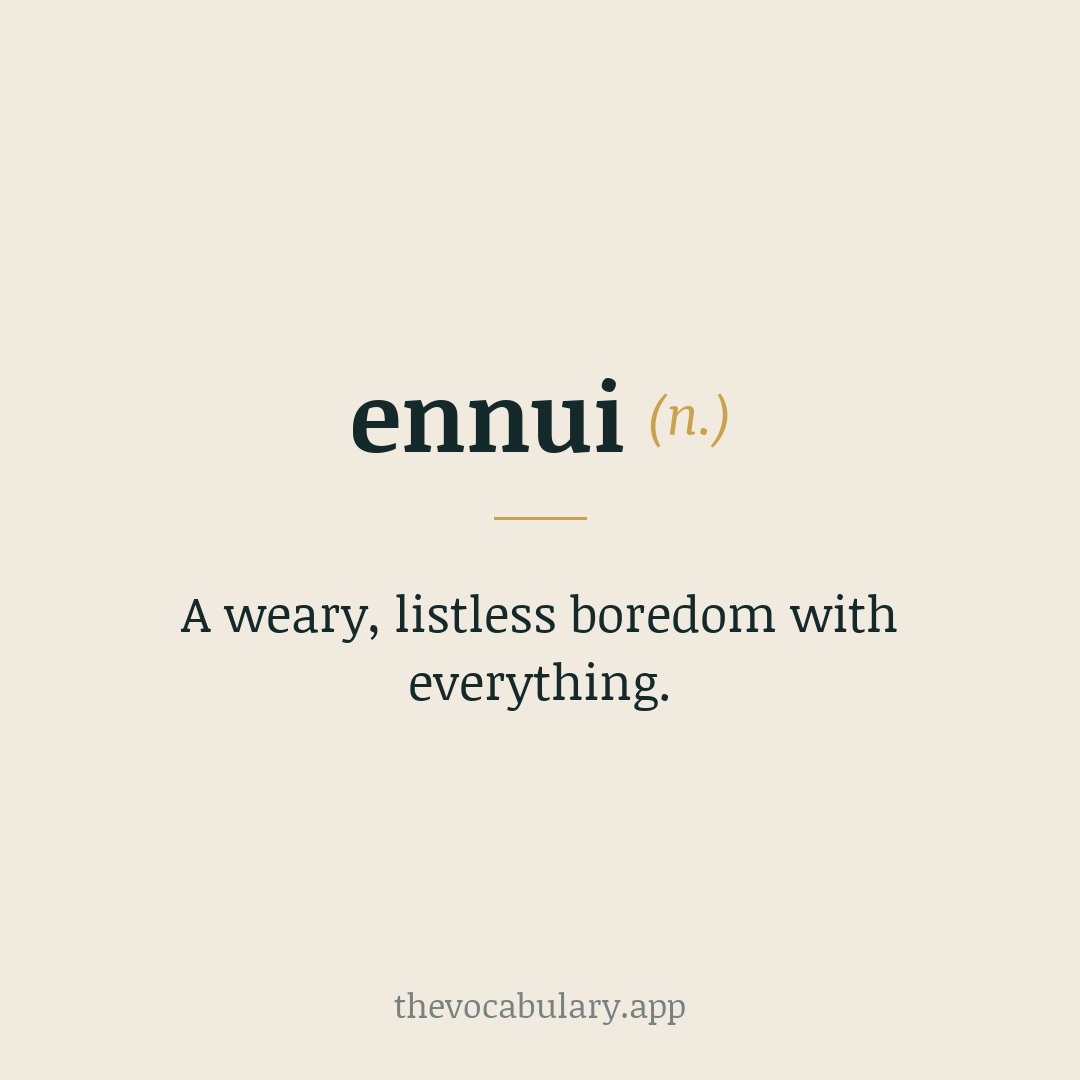
10. Ennui (n.) — A listless boredom, a weariness with everything. — from French ennui, from enuier, “to vex.”
11. Reverie (n.) — A pleasant daydream you drift into. — from French rêverie, from resver, “to wander.”
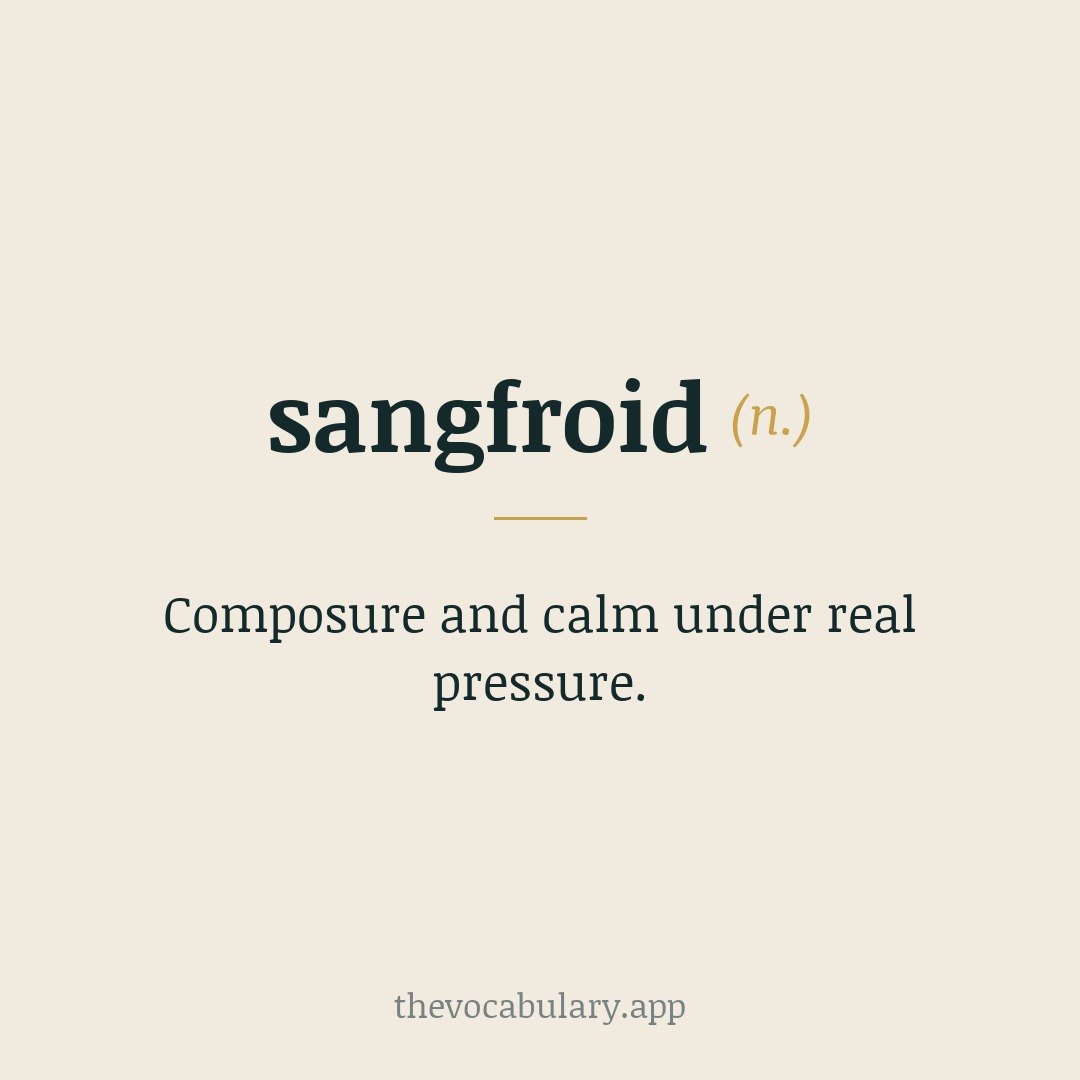
12. Sangfroid (n.) — Cool composure when the pressure is on. — from French sang-froid, literally “cold blood.”
13. Somber (adj.) — Dark, grave, or quietly serious in mood. — from French sombre.
14. Largesse (n.) — Generosity, especially in giving freely. — from French large, “generous, abundant.”
Words that slipped in from strategy, color, and everyday life
15. Vanguard (n.) — The leading edge; the people out front with new ideas. — from French avant-garde, “advance guard.”
16. Reconnaissance (n.) — An early survey done to gather information. — from French reconnaissance, “recognition.”
17. Clandestine (adj.) — Kept secret, carried out in concealment. — from French clandestin.
18. Debacle (n.) — A sudden, complete, and often messy failure. — from French débâcle, a “collapse” or breakup.
19. Endeavor (n.) — A serious attempt to achieve a goal. — from Old French, via the phrase en devoir, “in duty.”
20. Azure (n.) — A bright, sky-blue color. — reached English through Old French azur.
English is stitched together from other languages. The Vocabulary app teaches you the French, Latin, and Greek roots behind the words you use every day.
Get The Vocabulary app