13 Words and Phrases That Changed Meaning Over Time
Learn a new word every day
Free on iOS & Android

Words drift. Here are 13 English words and phrases that meant something quite different not long ago — from peruse to blackguard — and how they shifted.
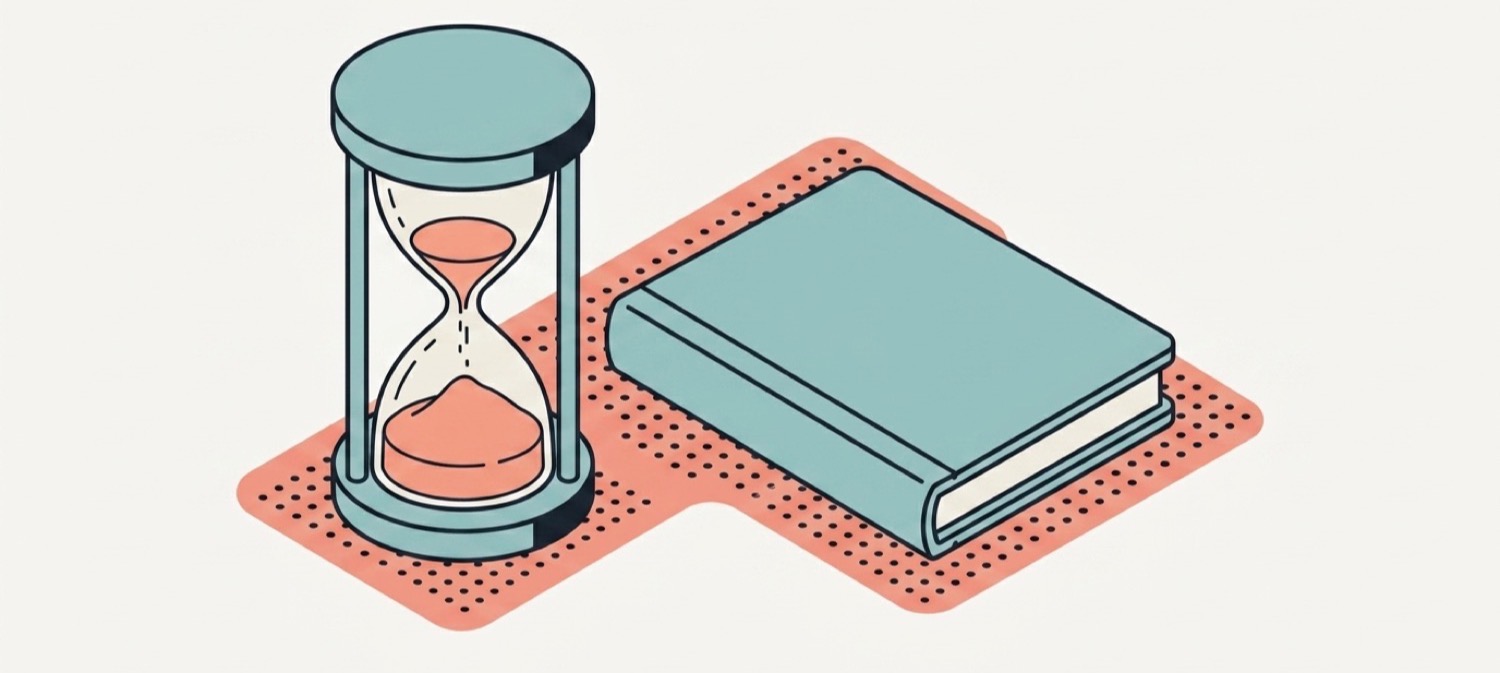
Meanings are not fixed. Words drift over the centuries — narrowing, broadening, or flipping entirely — until the modern sense has little to do with where the word started.
Here are 13 English words and phrases that changed meaning over time. A few still carry an older sense that quietly contradicts how most people use them today.
How do words change meaning?
Linguists group the drift into a few patterns. A word can narrow (meat once meant any food), broaden, or undergo a shift in tone — becoming an insult, or losing one. Blackguard started as a term for lowly kitchen servants and sank into meaning a scoundrel.
Some words even reverse. To peruse originally meant to read something thoroughly; today many people use it to mean the opposite — to skim. Knowing the older sense makes you a sharper reader, especially of older writing.
13 words that changed meaning
1. peruse
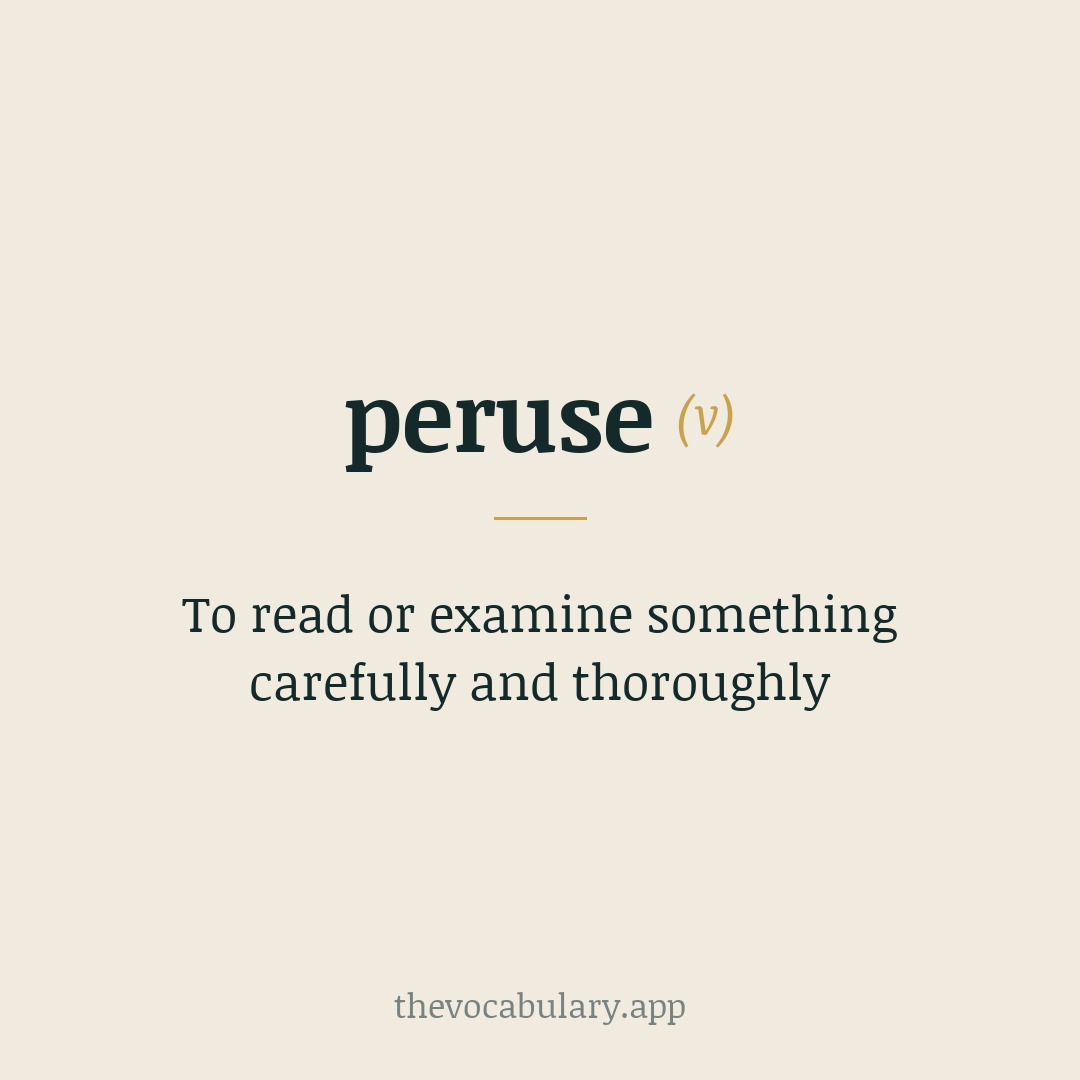
“To read or examine something carefully and thoroughly” — From late 15c. ME per- "completely" + use, originally "thoroughly examine".
2. sheepish
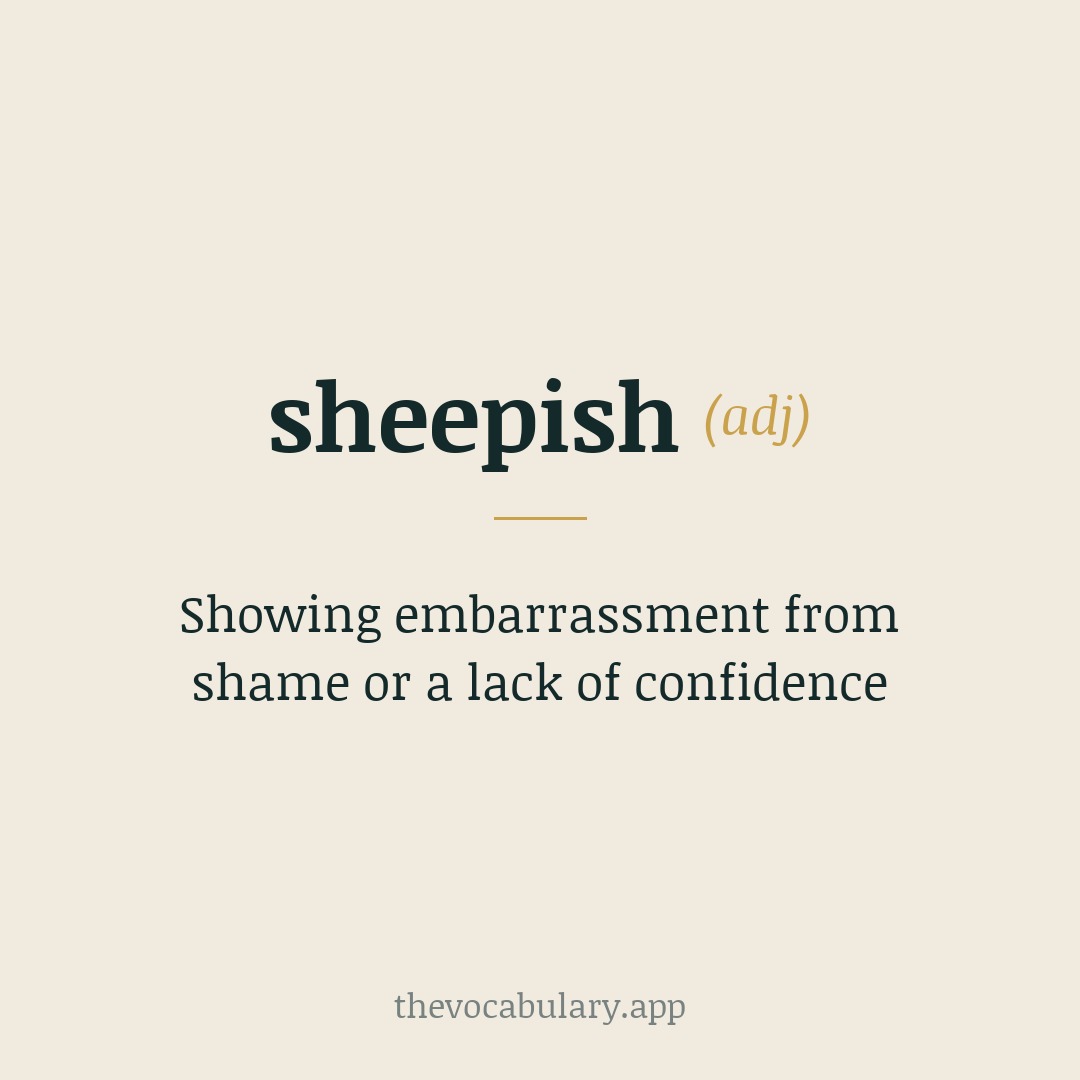
“Showing embarrassment from shame or a lack of confidence” — From Old English scēap + -ish, originally meaning ‘of sheep’, timid, modest c.1200.
3. blackguard
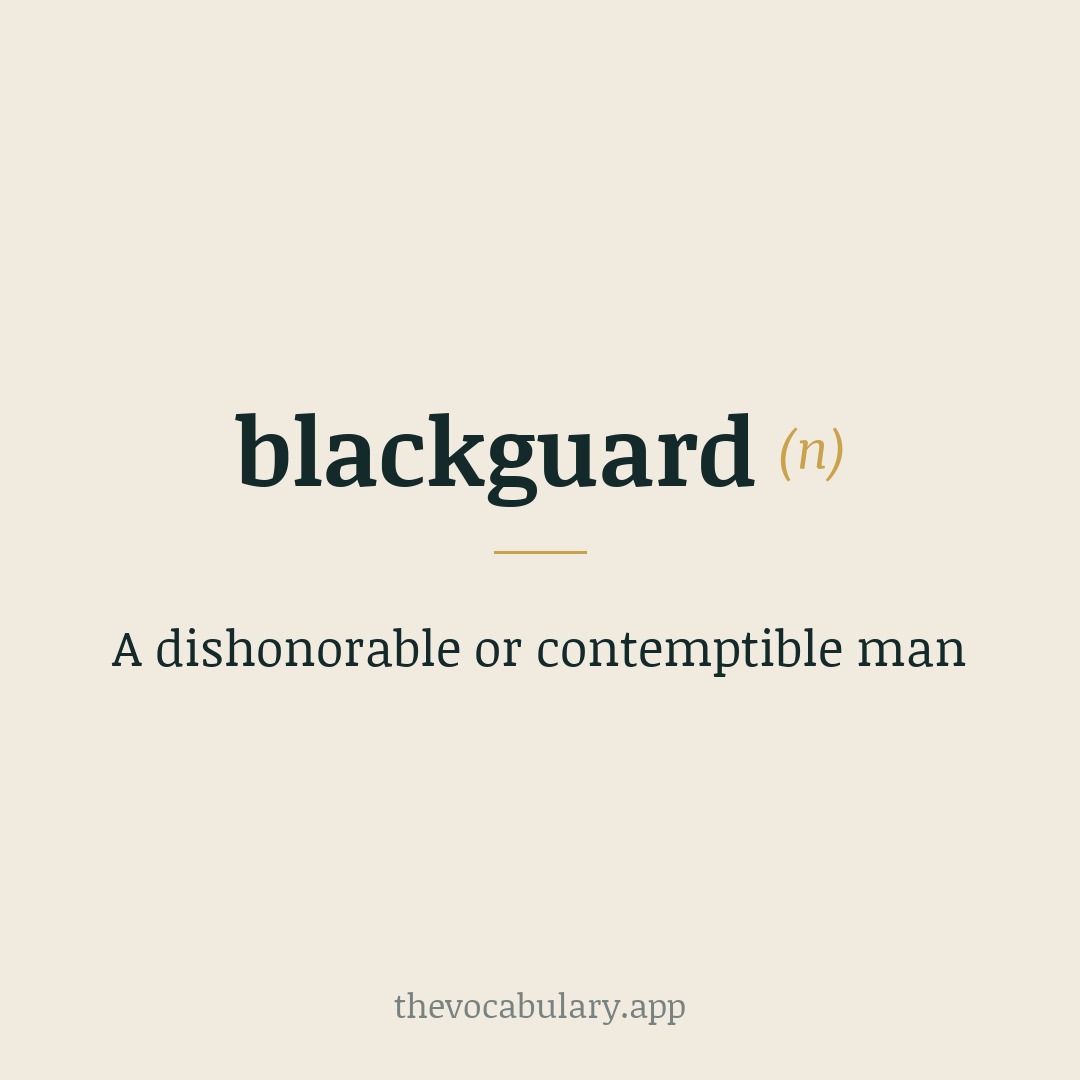
“A dishonorable or contemptible man” — Originally two words: black + guard, meaning kitchen servants; later ‘villain’.
4. matrix
“The substance between cells in your body from which new tissue such as bones, teeth, and fingernails grow” — From Latin, derived from matr-, mater meaning 'mother,' originally referring to a breeding female or parent plant.
5. cachet
“Prestige or distinction associated with a particular status” — Borrowed from French, originally meaning 'small seal'; from Middle French, derived from cacher 'to press' with suffix -et.
6. opportune
“Happening at the perfect time” — From Middle English via Anglo-French; from Latin opportūnus ('serviceable, convenient') originally linked to harbor winds.
7. gaudery
“Showy or extravagant display” — From early 1590s: from gaud + -ery, originally ‘showy ornamentation’.
8. hullabaloo
“A commotion or fuss” — From hallo and Scots balloo, an interjection originally used to hush children.
9. sea change
“A profound or notable transformation” — Coined by Shakespeare (~1610) in The Tempest; originally a "change wrought by the sea".
10. cut and dried
“Straightforward” — Phrase from around 1700-10; originally about herbs cut and dried, ready to use.
11. make ends meet
“Manage financially” — Originally 'make both ends meet', 17th-century idiom from French joindre les deux bouts, meaning matching income and expenses.
12. shoot the breeze
“Engage in casual conversation” — US slang early 1900s; “shoot” = talk idly, originally variant of “shoot the bull”.
13. ricochet
“To bounce off a surface after hitting it” — From French ricochet, originally meaning skipping of a shot or stone across water.
Frequently asked questions
What are words that changed meaning called?
The process is called semantic change or semantic drift. Common types include narrowing, broadening, and shifts in tone where a word gains or loses a negative sense.
What does 'peruse' really mean?
Traditionally, to peruse means to read carefully and thoroughly — the opposite of skimming. Its use for 'skim' is now common enough that dictionaries list both, a change happening in real time.
Which word did Shakespeare invent?
Sea change comes from Shakespeare's The Tempest (around 1610). It first described a magical transformation by the sea and later broadened to mean any profound change.
Why should I learn a word's older meaning?
Because older writing uses it. Knowing that opportune or matrix once meant something different helps you read classic texts accurately and understand how the modern sense came to be.
