15 English Words That Came From Spanish
Learn a new word every day
Free on iOS & Android

English borrowed freely from Spanish — from renegade to aficionado. Here are 15 Spanish loanwords in English and the story behind each one.

Spanish has poured into English for centuries — through exploration, the American frontier, food, and culture. Many of the words feel so natural that their Spanish origin is a genuine surprise.
Here are 15 English words that came from Spanish, each with the meaning it carried before it crossed over. Some describe character, some describe places, and a few describe a whole attitude.
How did Spanish words get into English?
Two big channels did most of the work. The first was the sea: sailors, soldiers, and traders swapped words across the Atlantic. The second was the American Southwest, where English speakers borrowed the vocabulary of ranching and landscape wholesale — ranch, canyon, stampede.
The words below show both routes. A renegade and a desperado come from a world of conflict and daring; a sobremesa — the lingering conversation after a meal — comes from everyday Spanish life and fills a real gap in English.
15 English words from Spanish
1. renegade

“Not following usual rules or beliefs” — From Spanish 'renegado', meaning 'apostate'.
2. aficionado
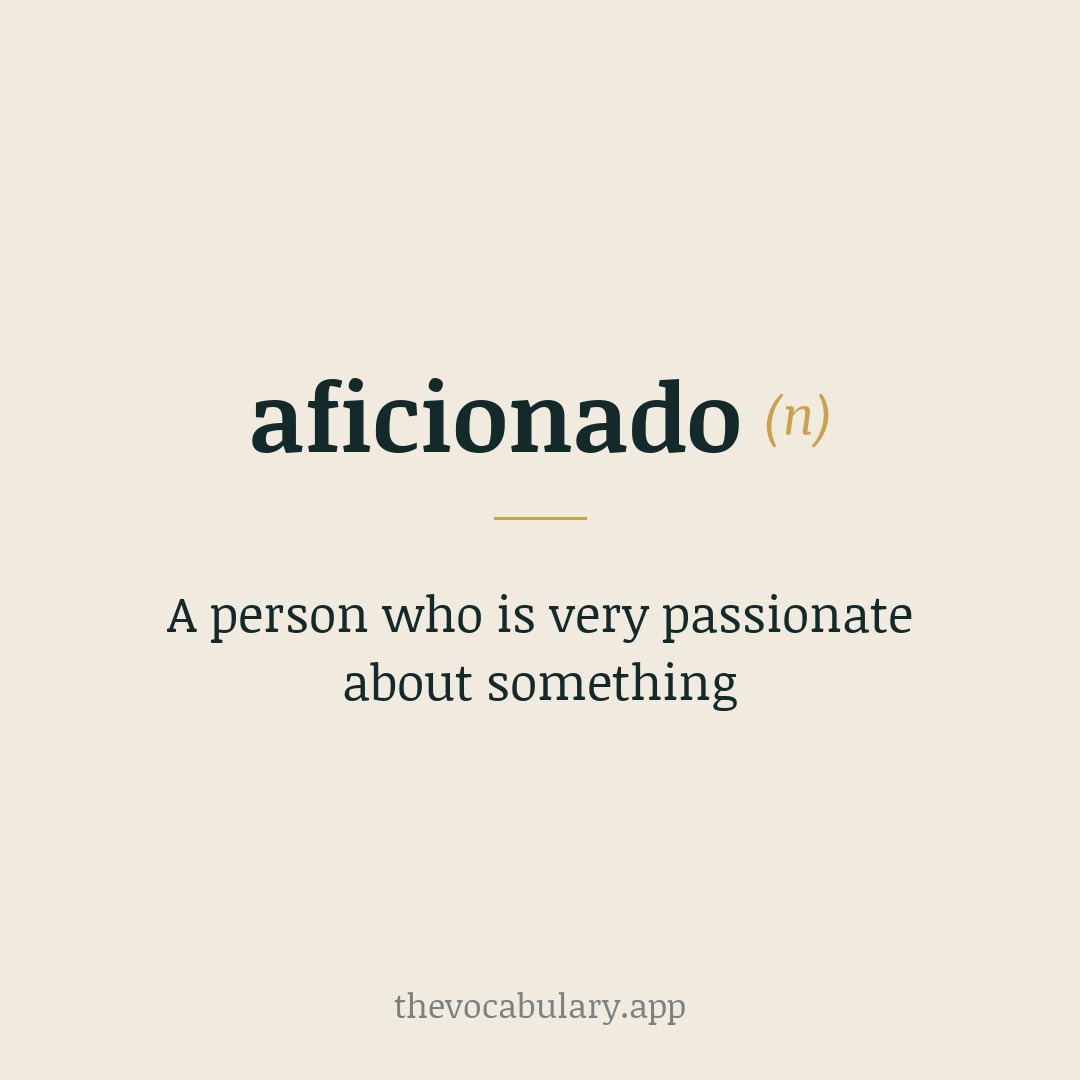
“A person who is very passionate about something” — Borrowed from Spanish aficionado, from aficionar ('to inspire devotion') via Latin affectiōn.
3. bravado
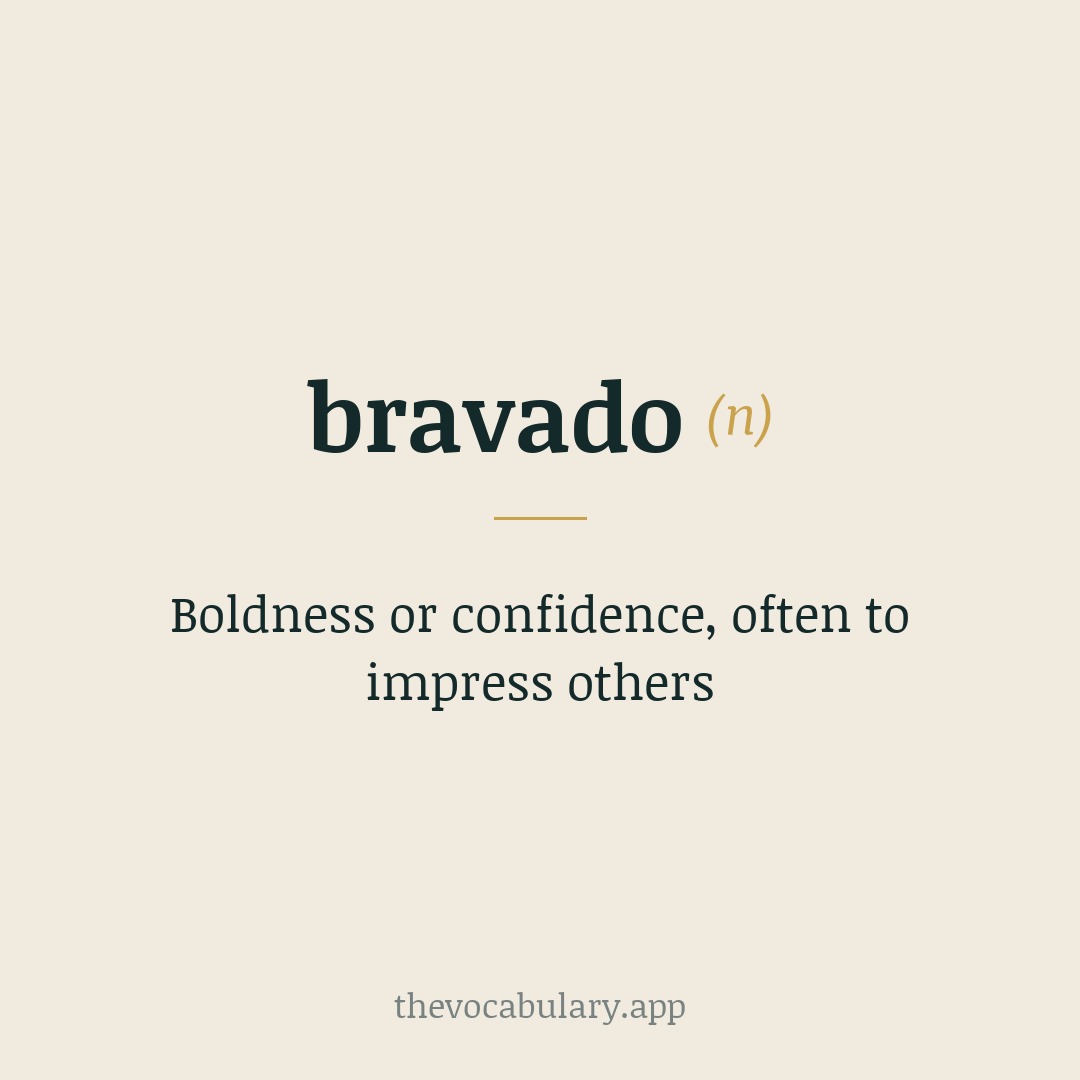
“Boldness or confidence, often to impress others” — From Middle French bravade, Old Spanish bravata, and Old Italian bravata, from bravare ('to challenge').
4. crusade

“A strong movement to support a cause” — Blend of Middle French 'croisade' and Spanish 'cruzada', both ultimately derived from Latin 'cruc-' (crux), meaning 'cross'.
5. burlesque

“Comic or satirical imitation” — Borrowed from French; from Italian burlesco; from burla meaning 'joke' in Spanish.
6. stockade

“A strong fence for protection or defense” — From Spanish estacada via French estocade, from stake (Germanic origin).
7. chaparral
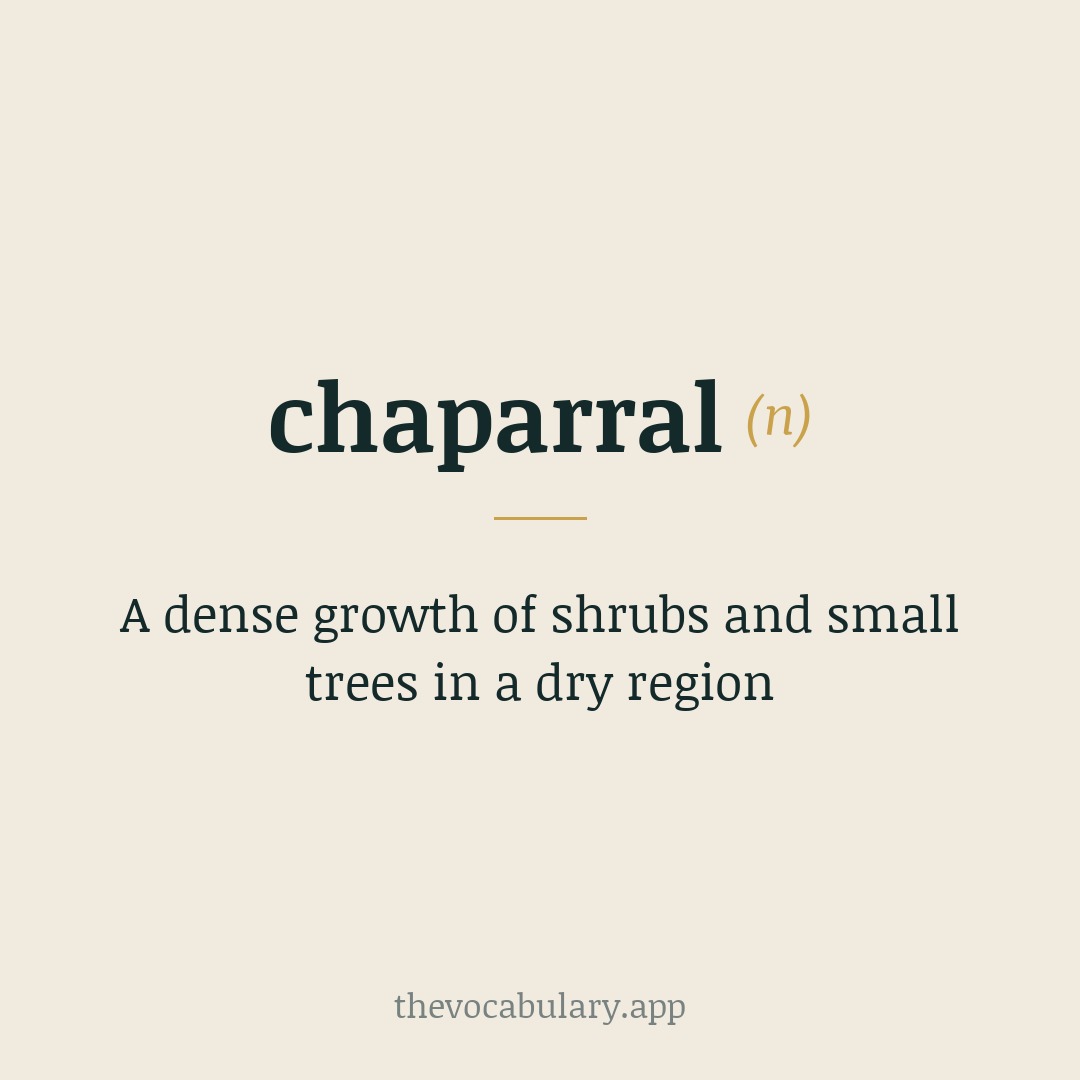
“A dense growth of shrubs and small trees in a dry region” — From Spanish chaparral, from chaparro 'dwarf oak', from Basque txapar "thicket".
8. mano a mano

“Face-to-face or direct confrontation” — Borrowed from Spanish mano a mano, lit. “hand to hand,” from Latin manus.
9. duende

“A powerful, mysterious charm or spirit in art” — From Spanish duende, from dueñ(o) de casa “owner of the house”.
10. intransigent
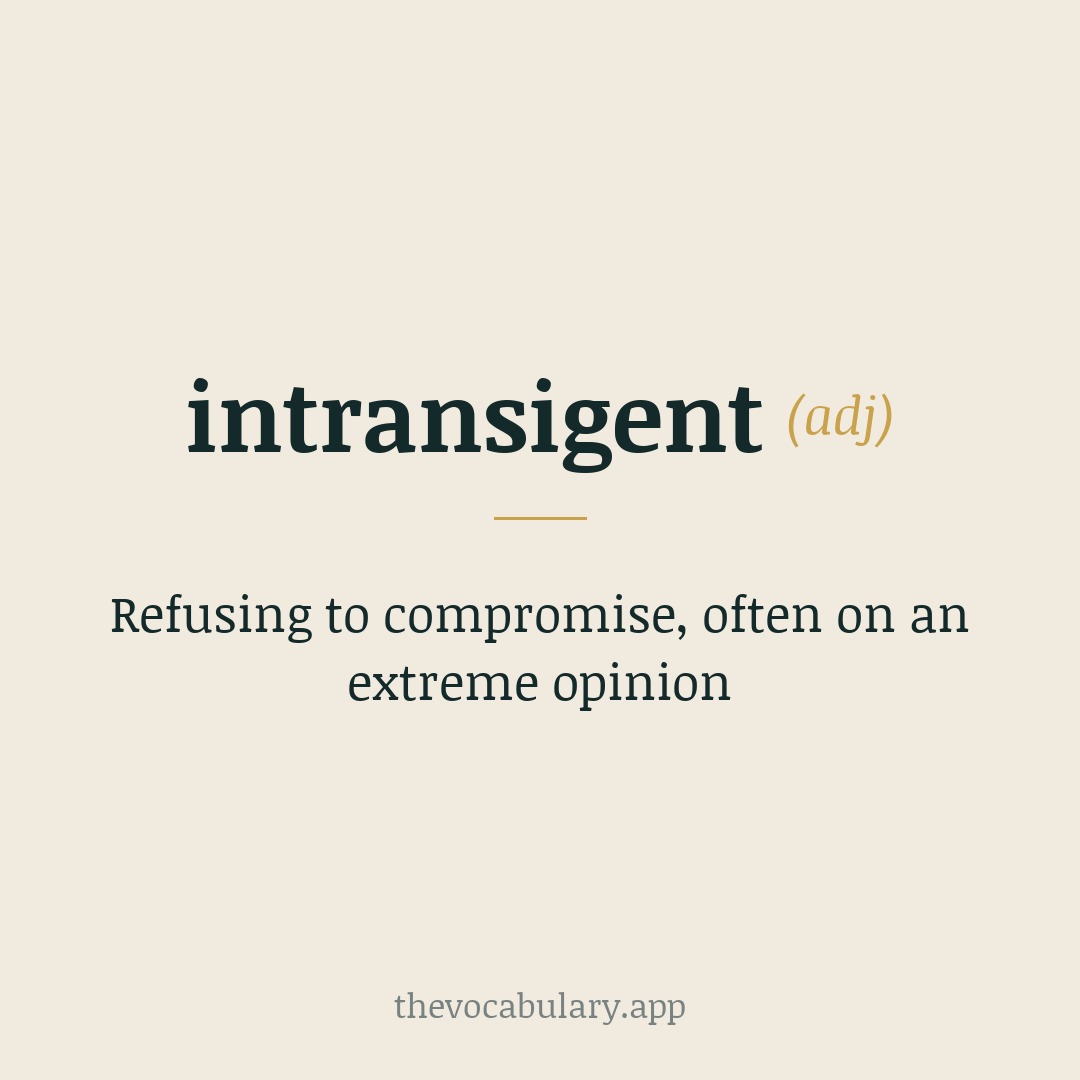
“Refusing to compromise, often on an extreme opinion” — Borrowed from Spanish intransigente, from Latin transigere meaning 'to come to an agreement'.
11. gambit

“A strategic move or action to gain advantage” — Borrowed from Spanish gambito, from Italian gambetto, literally 'act of tripping someone,' from gamba meaning 'leg' (from Late Latin) + -etto, a diminutive suffix.
12. sobremesa
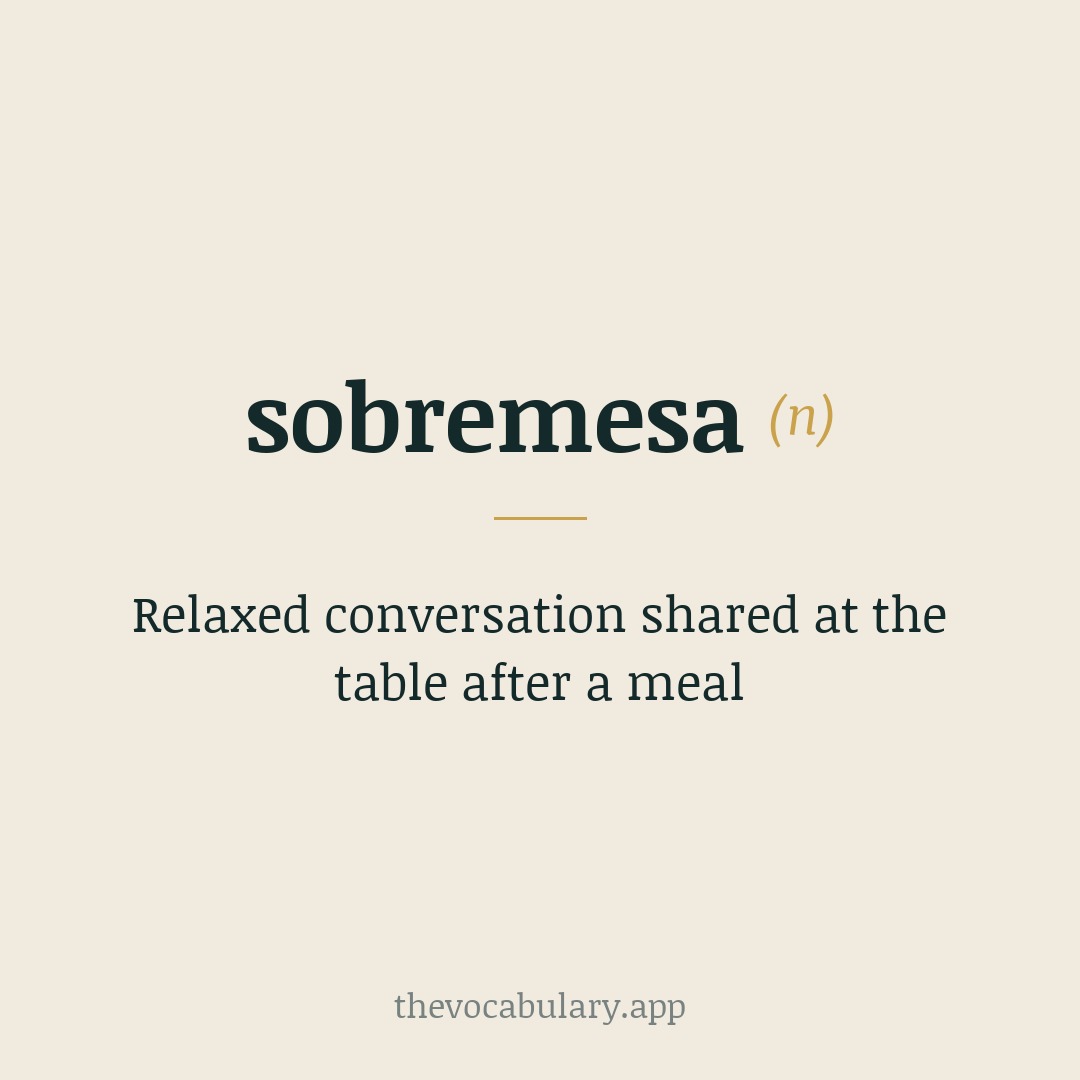
“Relaxed conversation shared at the table after a meal” — From Spanish sobre-“over, above” + mesa “table”, literally “over the table”.
13. blue blood
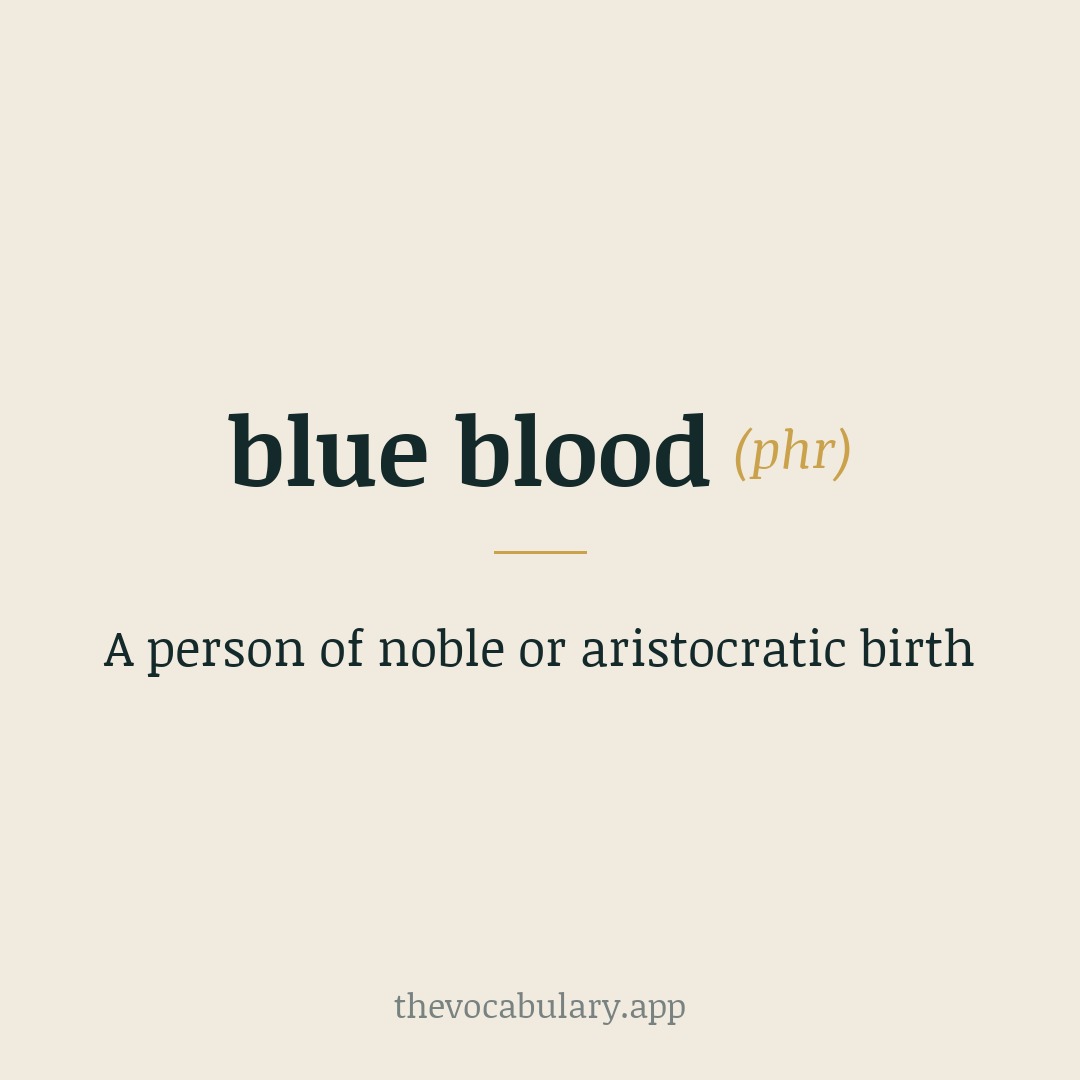
“A person of noble or aristocratic birth” — Calque of Spanish sangre azul, used of Castilian aristocracy claiming pure bloodlines.
14. buoyantly

“In a happy and energetic way” — From Spanish 'boyante', present participle of 'boyar' meaning 'to float'.
15. remuda

“A group of horses for daily use” — From American Spanish remuda, from remudar meaning 'to exchange' (from re- + mudar, from Latin mutare).
Frequently asked questions
What are common English words that come from Spanish?
Everyday examples include renegade, aficionado, bravado, ranch, canyon, and patio. Many entered English through the American Southwest and through seafaring.
What does 'aficionado' mean and where is it from?
An aficionado is a passionate enthusiast. It comes from Spanish aficionar, 'to inspire affection or devotion', and originally referred to devoted fans of bullfighting.
Is 'blue blood' from Spanish?
Yes — it is a direct translation of Spanish sangre azul, used of old Castilian noble families whose pale skin made their veins look blue. English borrowed the image whole.
What is a good way to learn loanwords like these?
Group them by their source language and learn a few at a time. Seeing that renegade, bravado, and desperado share a Spanish flavour helps them stick together in memory.
