15 English Words We Borrowed From Italian
Learn a new word every day
Free on iOS & Android

From music to intrigue, Italian gave English some of its most expressive words. Here are 15 Italian loanwords in English and what each one originally meant.
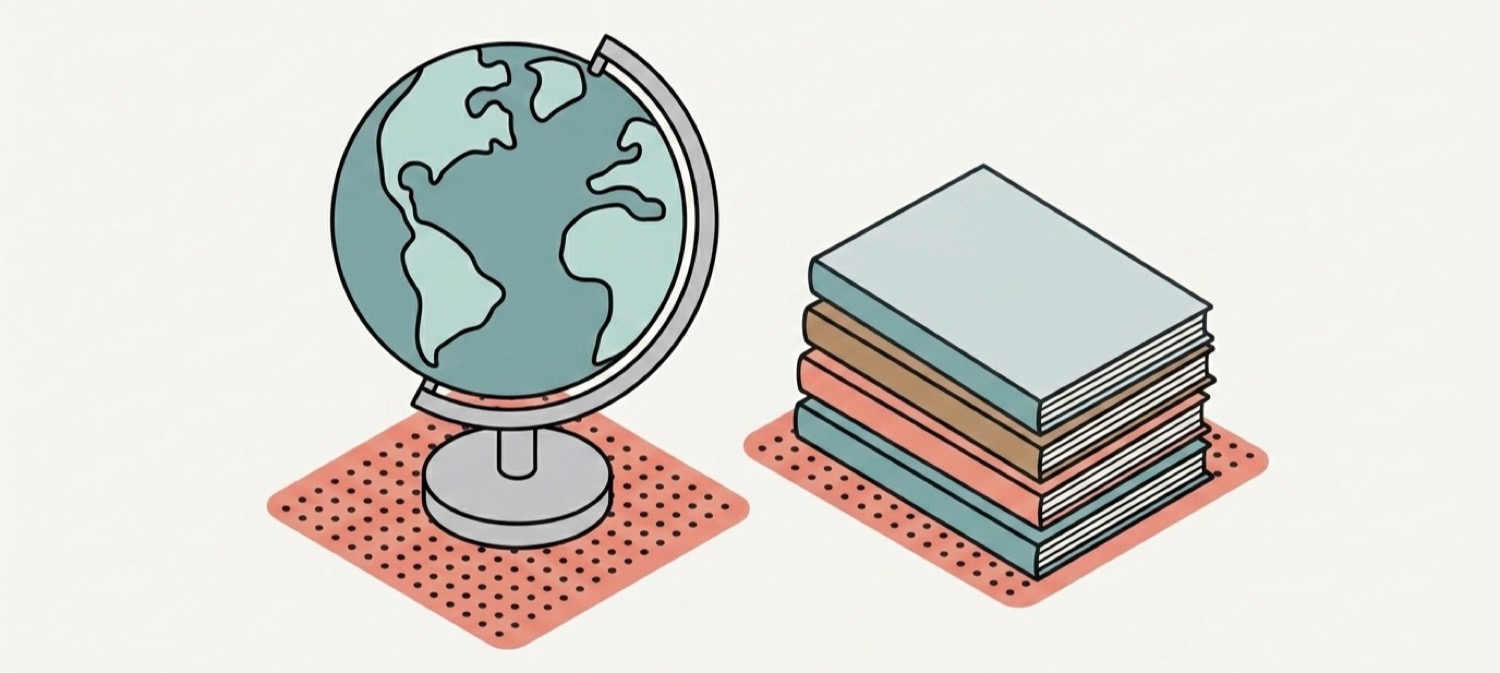
Italian handed English much of its vocabulary for music, art, food, and dramatic human behaviour. When you need a precise word for a tangle of trouble or a whispered aside, it is often Italian.
Here are 15 English words borrowed from Italian, with the literal meaning behind each. Musicians already speak fluent Italian without realising it — piano, tempo, solo — and the pattern runs far wider.
Why is so much musical vocabulary Italian?
Italy was the centre of European music when the vocabulary of tempo and dynamics was being written down, so those instructions were written in Italian — and they stuck. Sotto voce ('under the voice') and prestissimo ('very fast') are ordinary Italian phrases that became technical terms.
Beyond music, Italian gave English a gift for describing people and situations: a virtuoso, a prima donna, an imbroglio. These words carry a flavour that the plain English equivalent lacks, which is exactly why we kept them.
15 English words from Italian
1. imbroglio
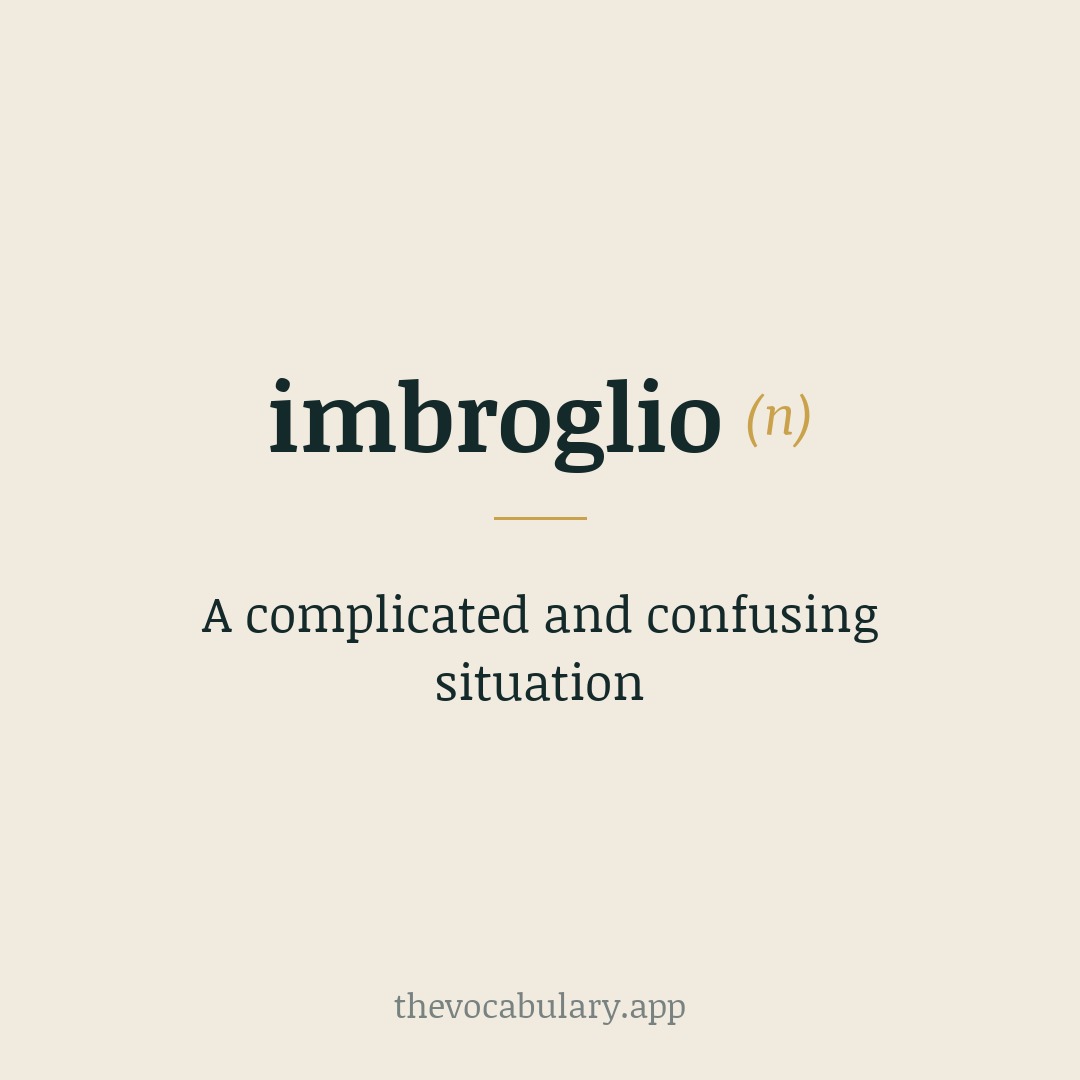
“A complicated and confusing situation” — From Italian imbrogliare ‘to tangle up’, via Middle French embrouiller.
2. paragon
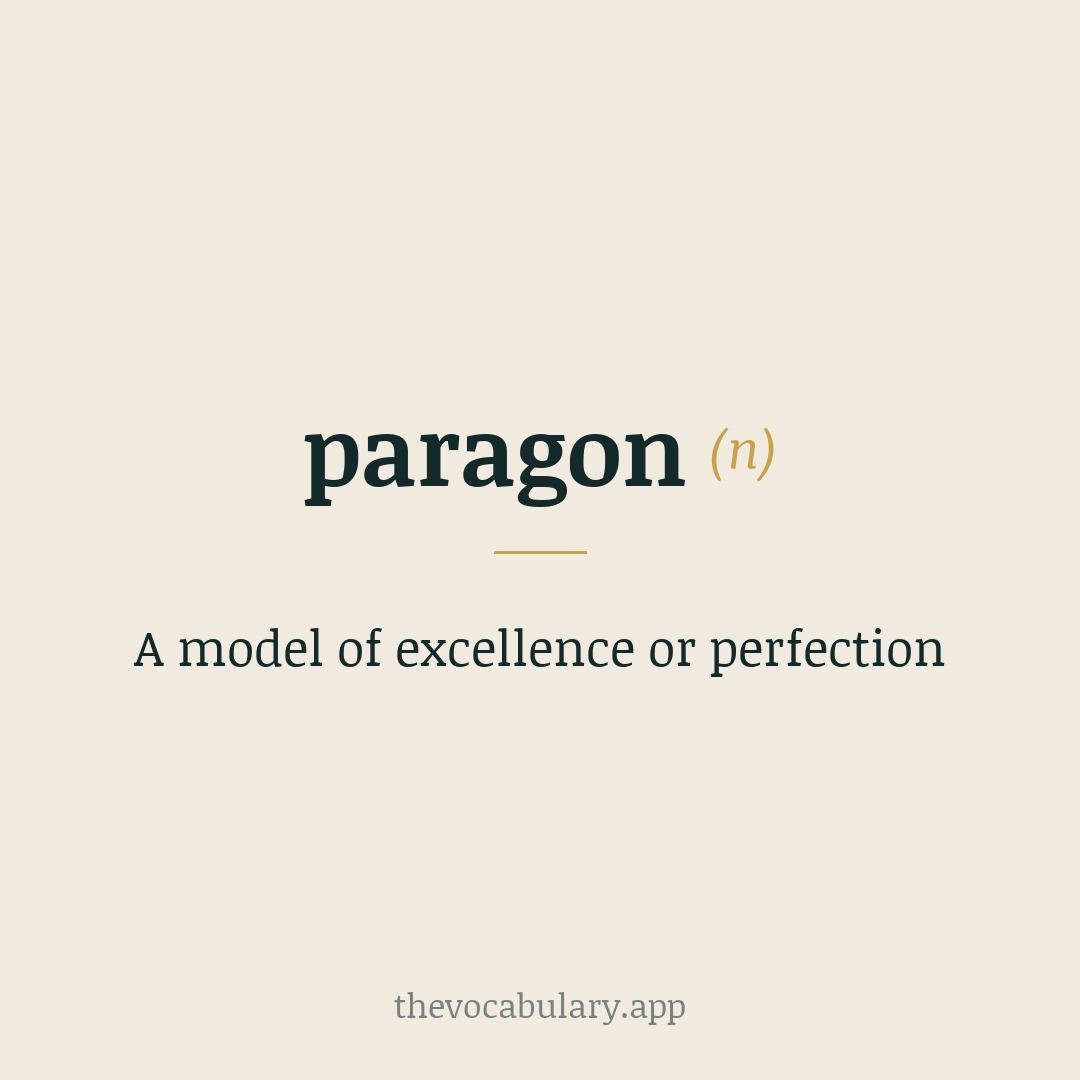
“A model of excellence or perfection” — From Middle French and Old Italian paragone meaning 'touchstone', derived from paragonare and Greek parakonan ('to sharpen').
3. virtuoso
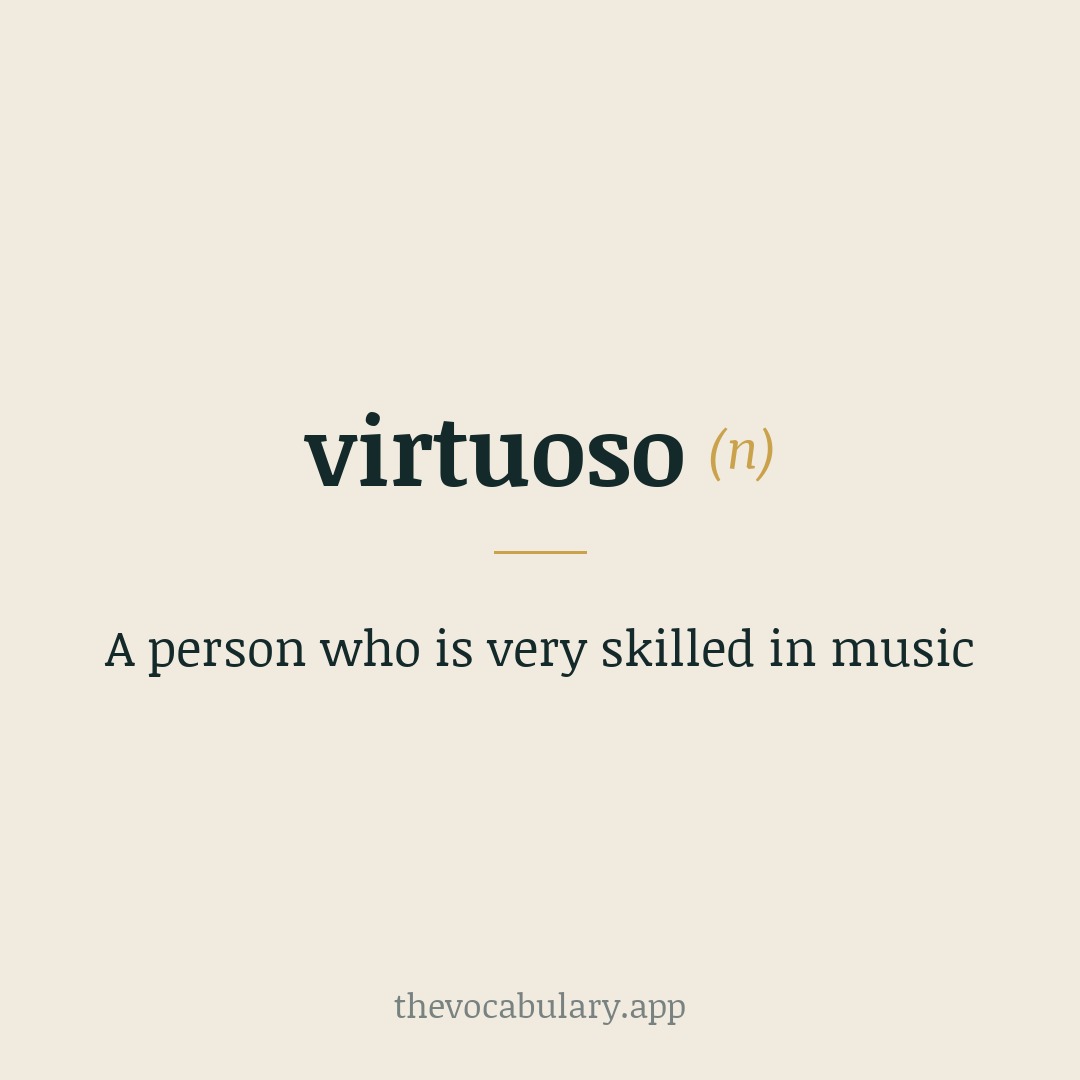
“A person who is very skilled in music” — From Italian 'virtuoso' (meaning 'virtuous, skilled'), from Late Latin virtuosus and Latin virtus.
4. prima donna
“A temperamental, self-important person; also a lead female opera singer” — From Italian lit., “first lady”; prima “first” + donna “lady.”.
5. lingua franca
“A common language for communication between speakers of different native languages” — From Italian ‘lingua franca’ literally ‘Frankish tongue’, 17th-c Mediterranean trade jargon.
6. sotto voce
“In a quiet voice; softly spoken” — From Italian suffix *sotto* “under” + *voce* “voice” (literally “under the voice”).
7. prestissimo
“Very, very fast” — From Italian 'prestissimo', superlative of 'presto' meaning 'quick'.
8. machiavellian
“Cunning, scheming, and unscrupulous behavior” — From Niccolò Machiavelli, Italian writer (1469-1527), via English in 1572.
9. simpatico
“”
10. contrapposto
“An artistic pose with weight on one leg” — From Italian contrapposto (contrappore: 'oppose') and Latin contrapositus (contraponere: 'oppose').
11. riposte
“A quick, witty, or sharp reply, often in a conversation or argument” — From French modification of Italian risposta, meaning 'answer', from rispondere ('to respond') and ultimately from Latin respondēre.
12. grandiose
“On a magnificent or exaggerated scale” — From French, from Italian grandioso (from grande meaning 'great', from Latin grandis).
13. verism
“A style emphasizing realism and truth in art” — Borrowed from Italian verismo, from vero meaning 'true' (from Latin vērus) + -ismo, -ism.
14. pococurante
“Indifferent or nonchalant” — From Italian 'poco curante' meaning 'caring little'.
15. volta
“A turn in thought or argument within a poem” — From Italian volta “turn”, from Latin volvere “to turn, roll”.
Frequently asked questions
What English words come from Italian?
Besides musical terms like piano and tempo, English took imbroglio, virtuoso, prima donna, lingua franca, and Machiavellian from Italian.
What does 'prima donna' literally mean?
It literally means 'first lady' in Italian — the lead female singer in an opera. Because leading singers had a reputation for temperament, it came to mean a vain, demanding person.
Where does 'Machiavellian' come from?
From Niccolò Machiavelli, the Italian Renaissance writer whose book The Prince described cunning, ruthless politics. His name became an adjective for exactly that.
Why keep the Italian word instead of an English one?
Because it is more precise. Imbroglio captures a confused, embarrassing entanglement in a way no single English word quite does — and precision is what a larger vocabulary buys you.
