14 English Words We Took From German
Learn a new word every day
Free on iOS & Android

German gave English a set of words that name feelings and ideas nothing else quite captures — from wanderlust to zeitgeist. Here are 14, explained.

German has a gift for building a single word that names a whole feeling — the ache to be somewhere far away, the mood of an era, the sadness of the world. English, short of its own words for these, simply borrowed them.
Here are 14 English words taken from German. Several are compound nouns that pack an entire idea into one word, which is exactly why they earned a permanent place in English.
Why does English borrow German feeling-words?
German builds meaning by joining words together, so it can name a specific emotion in a single term. Fernweh literally stacks 'far' and 'woe' into a longing for distant places; Weltschmerz joins 'world' and 'pain'. English has no tidy equivalent, so it keeps the German word.
Other borrowings come from German scholarship — bildungsroman from literary study, heuristic and ambivalent from science and psychology. When German coined the concept, English often took the label with it.
14 English words from German
1. weltschmerz
“A feeling of melancholy and world-weariness” — From German, from Welt meaning 'world' and Schmerz meaning 'pain'.
2. bildungsroman
“A novel that focuses on the psychological and moral growth of its main character from youth to adulthood” — From German, combining Bildung meaning 'education' and Roman meaning 'novel'.
3. kaffeeklatsch
“A casual gathering for coffee and conversation” — From German: derived from Kaffee ('coffee') and Klatsch ('gossip').
4. fernweh
“Feeling homesick for a place you've never been” — From German 'fern' (far) + 'weh' (pain), meaning 'far sickness'.
5. veneer
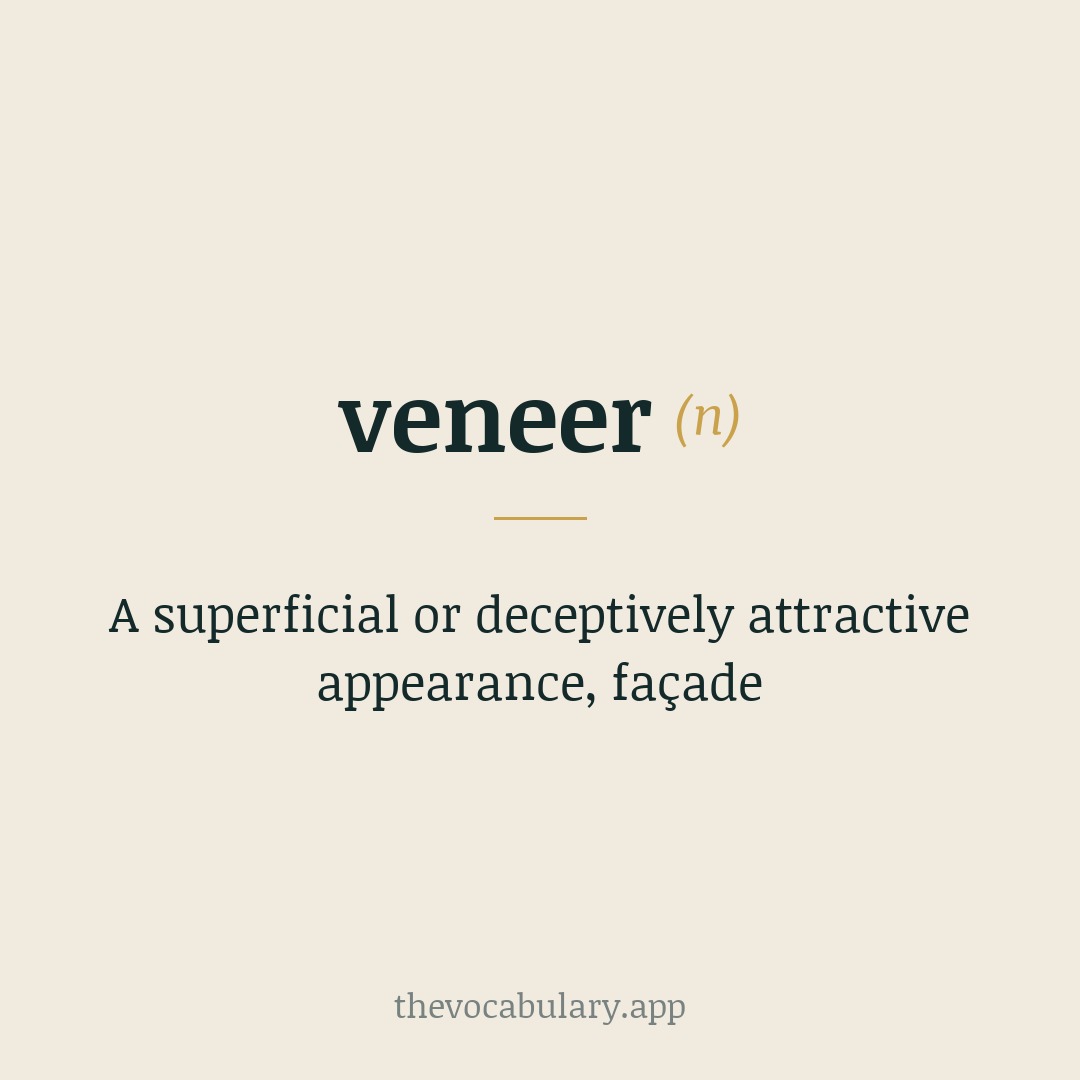
“A superficial or deceptively attractive appearance, façade” — Borrowed from German furner, fornier (modern Furnier), from fourniren meaning 'to apply thin wood strips.'.
6. glib
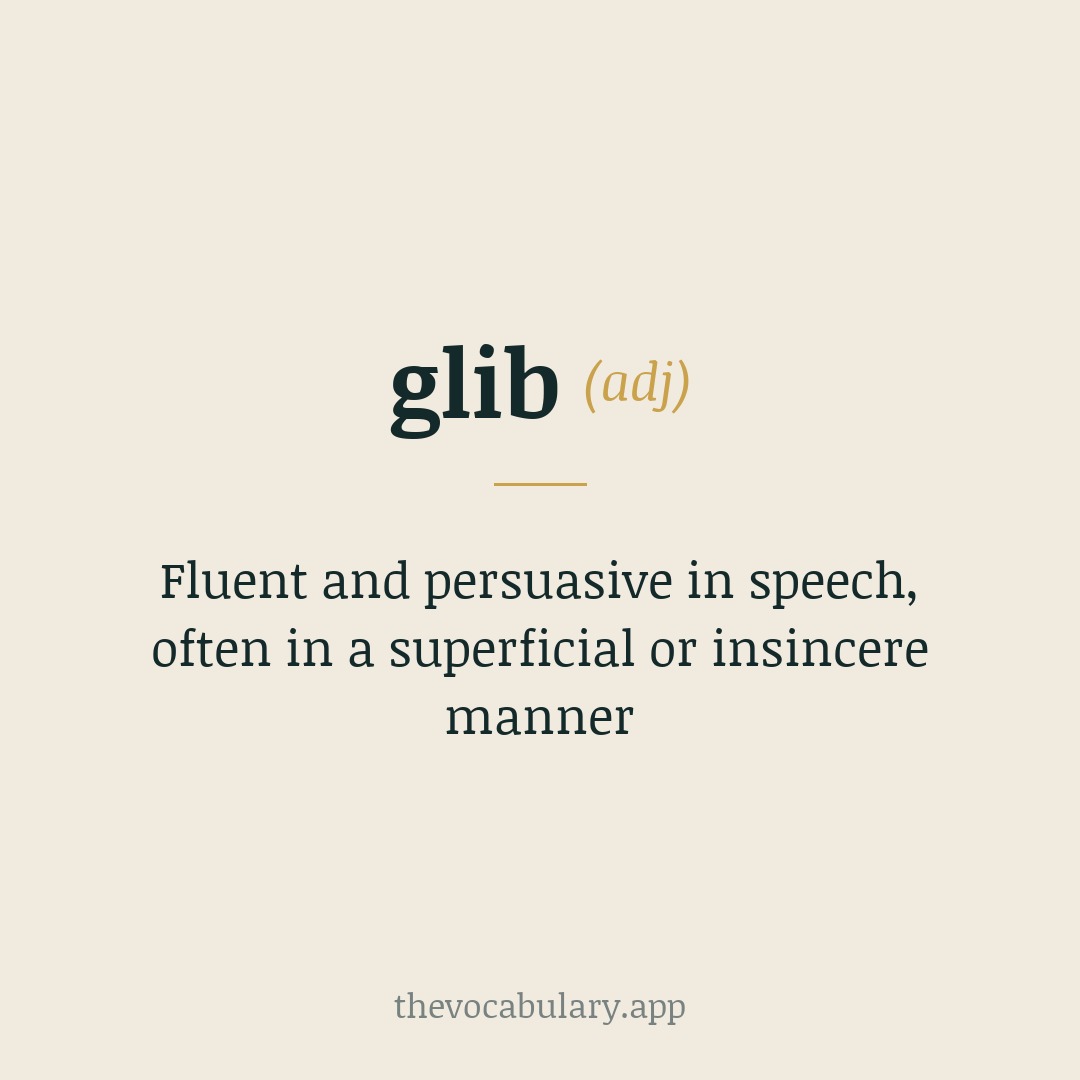
“Fluent and persuasive in speech, often in a superficial or insincere manner” — From Low German glibberig meaning 'slippery' (probably a modification).
7. heuristic
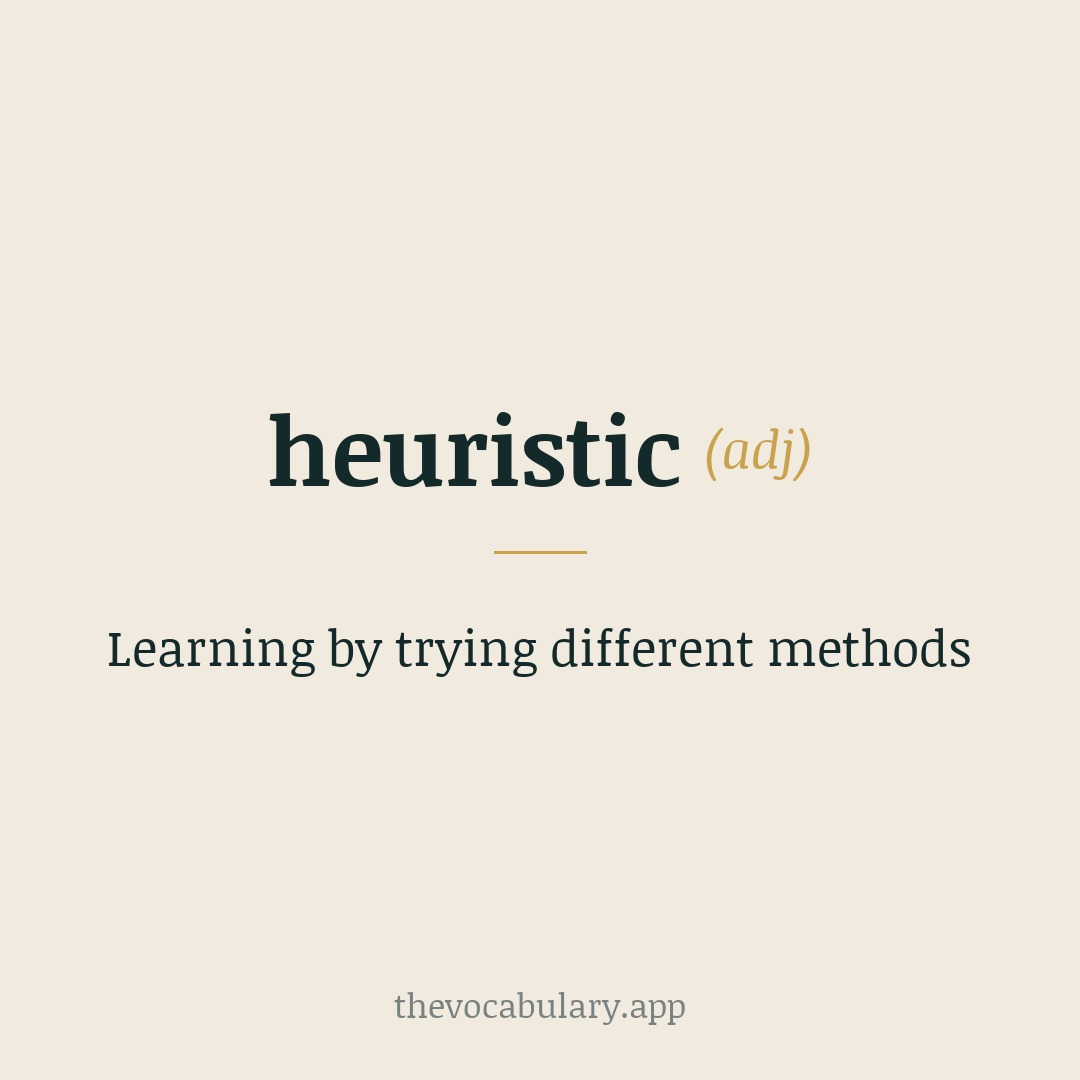
“Learning by trying different methods” — From German heuristisch, New Latin heuristicus, and Greek heuriskein ('to discover'); akin to Old Irish fúair.
8. ambivalent
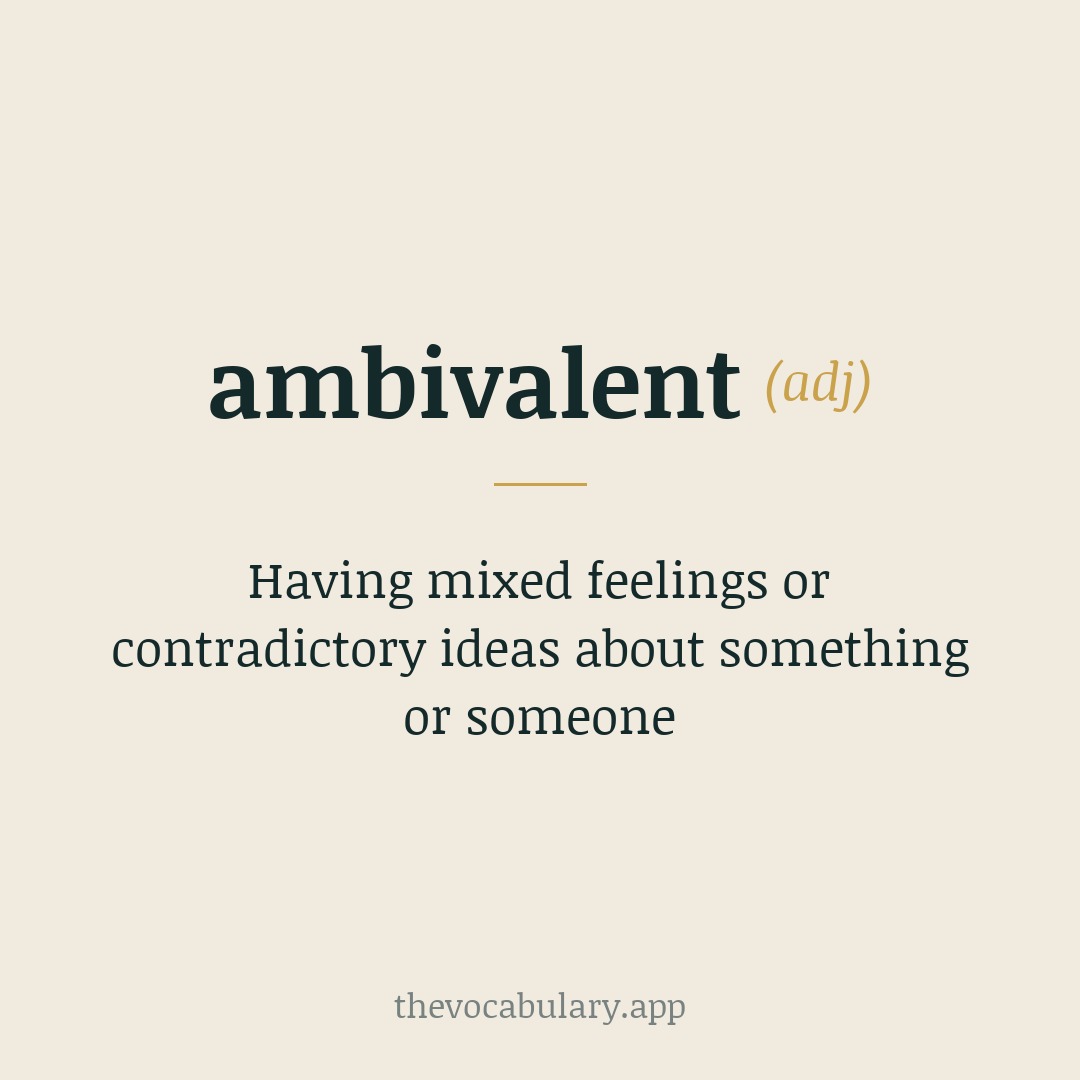
“Having mixed feelings or contradictory ideas about something or someone” — Borrowed from German, from ambi- (meaning 'both') and -valent (related to strength or capacity, as seen in equivalent).
9. megalomaniac
“A person with an obsession for power” — From megalo- + -mania, from German 'Megalomanie' and French 'mégalomanie'.
10. prattle
“Talk about insignificant things for a long time” — From Low German 'pratelen', akin to Middle Dutch 'praten' meaning 'to prate'.
11. noumena
“The true nature of something beyond our senses” — From German and Greek: nooumenon means 'that which is apprehended by thought,' derived from noein ('to think') and nous ('mind').
12. clerisy
“A group of very smart and educated people” — From German Klerisei, meaning 'clergy', from Medieval Latin clericia, from Late Latin clericus, meaning 'cleric'.
13. eurythmy
“Beautiful movements matching music” — From German 'Eurhythmie', from Latin 'eurythmia' meaning 'rhythmical movement', from Greek 'eurythmos' (from eu- 'good' + rhythmos 'rhythm').
14. deckled
“Having a rough edge, typically referring to handmade paper” — From German 'Deckel' meaning 'cover'.
Frequently asked questions
What English words come from German?
Common German borrowings include kindergarten, wanderlust, zeitgeist, angst, weltschmerz, and bildungsroman. Many name feelings or ideas English had no single word for.
What does 'weltschmerz' mean?
Weltschmerz literally means 'world-pain' — a weary sadness at the gap between how the world is and how you wish it could be. English kept the German word because no single English term captures it.
Why does German have single words for whole feelings?
German freely joins words into compounds, so it can build a precise term like Fernweh ('far-woe', a longing to travel) on the spot. English borrows the finished compound rather than inventing its own.
Is 'kindergarten' really German?
Yes — it means 'children's garden'. The concept and the word were both created in 19th-century Germany and adopted into English together, which is a common pattern for German loanwords.
