15 English Words That Came From Dutch
Learn a new word every day
Free on iOS & Android

Centuries of trade and seafaring left English full of Dutch words — from snack to poppycock. Here are 15 Dutch loanwords and where they came from.
For centuries the English and the Dutch were neighbours, rivals, and trading partners across the North Sea. All that contact left a deep Dutch layer in everyday English — especially around ships, building, and blunt everyday talk.
Here are 15 English words that came from Dutch. Many are short, practical, and slightly earthy — the vocabulary of dockworkers and farmers, not of poets.
How did Dutch words reach English?
The sea did most of it. Dutch was the language of shipbuilding and trade in the 1500s and 1600s, so English sailors picked up nautical and commercial words directly. Building and craft terms like wainscot and bulwark came the same way.
Dutch also gave English some of its most vivid blunt words. Poppycock comes from a Dutch phrase best translated as 'soft dung', and a boor was simply a Dutch farmer before it became an insult. The tone is unmistakable once you know to listen for it.
15 English words from Dutch
1. poppycock
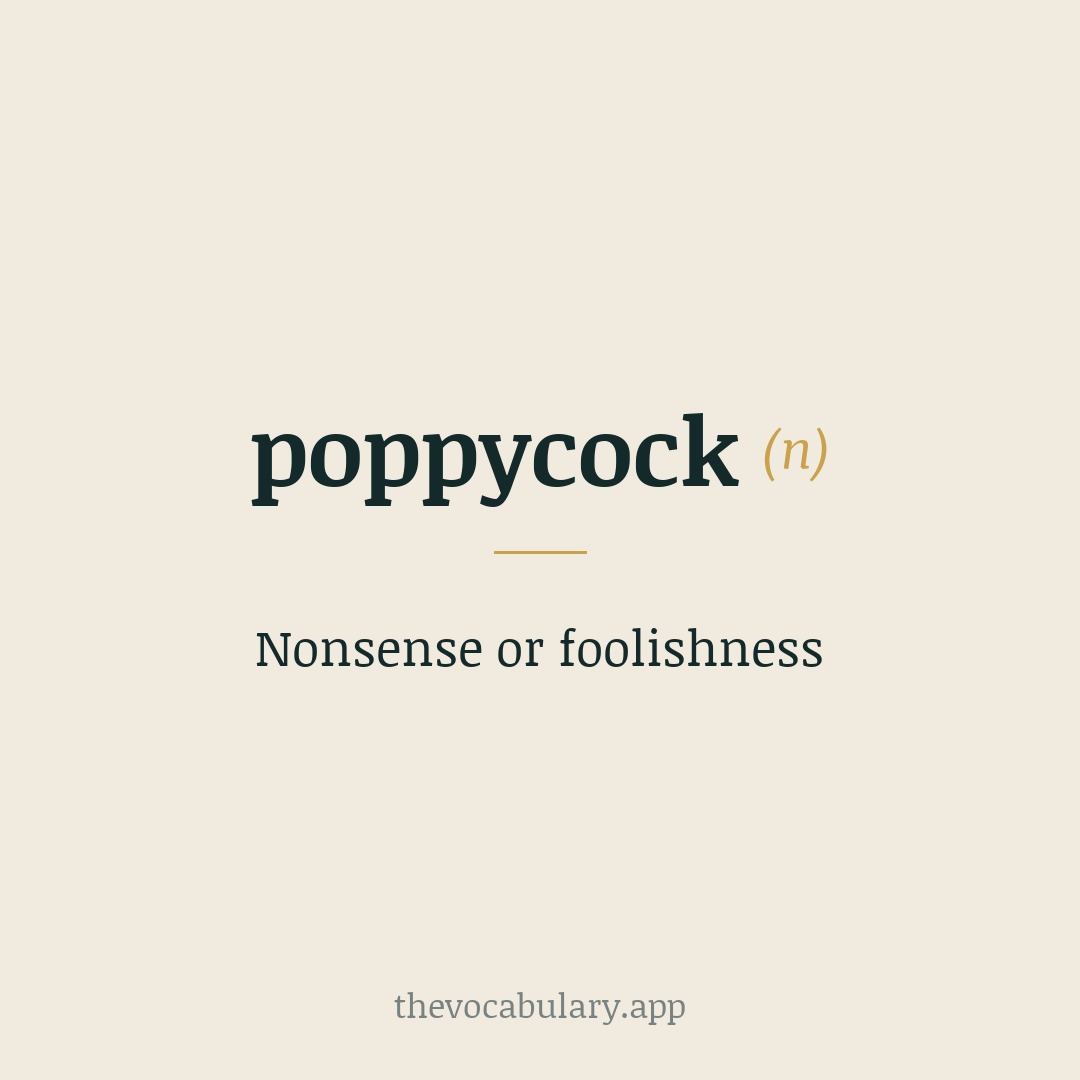
“Nonsense or foolishness” — From Dutch dialect pappekak, literally 'soft dung', derived from Dutch pap (soft) + kak (dung).
2. boor
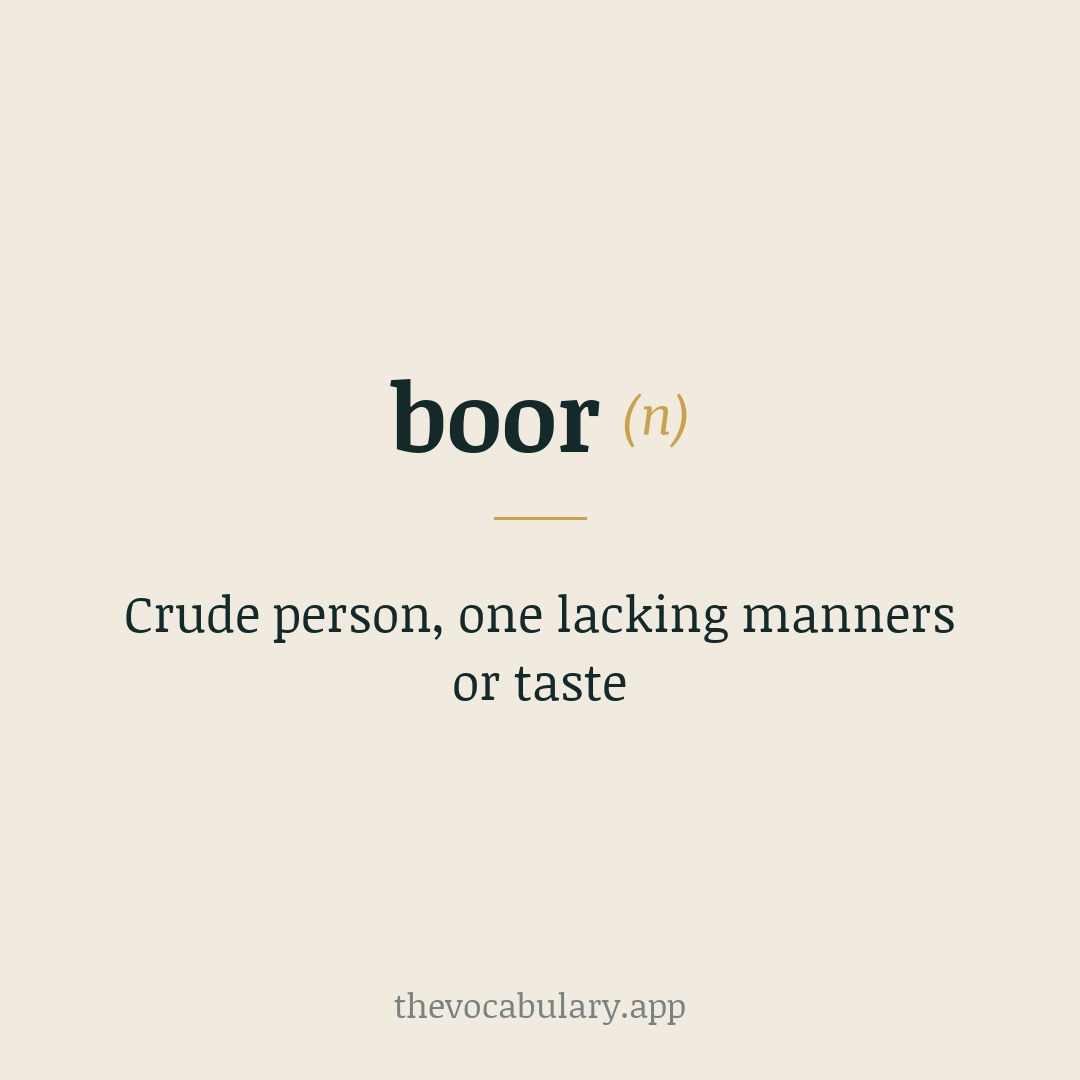
“Crude person, one lacking manners or taste” — Borrowed from Dutch boer, and related to Old English būan meaning 'to dwell'.
3. morass
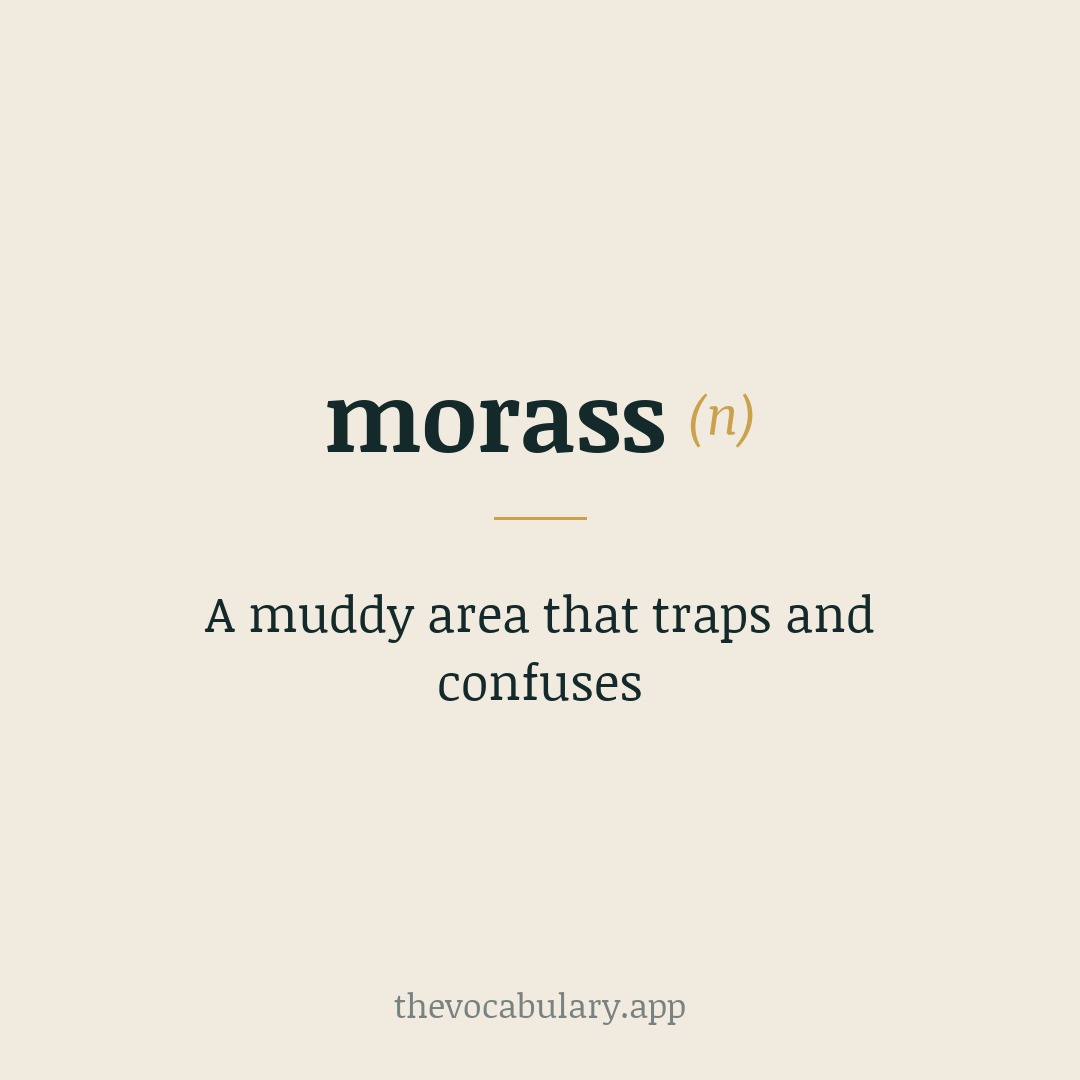
“A muddy area that traps and confuses” — Dutch moeras, modification of Old French maresc, of Germanic origin; akin to Old English mersc marsh.
4. snack
“Attractive person” — Middle English snak bite, from snaken to bite, perhaps from Middle Dutch snacken to snap at.
5. snap
“To perform exceptionally well” — From Dutch or Low German 'snappen', akin to Middle High German 'snappen'.
6. plug
“Someone who provides access to something valuable” — Derived from Dutch, from Middle Dutch plugge, and related to Middle High German pfloc plug.
7. bulwark
“A strong defense or protection” — From Middle English bulwerke, from Middle Dutch bolwerc, from bolle meaning 'tree trunk' and werc meaning 'work'.
8. brine
“Very salty water” — From Middle English, from Old English brȳne and akin to Middle Dutch brīne.
9. loll
“To sit or lie in a relaxed way” — From Middle English lollen ‘to lounge’, perhaps echoic or from Middle Dutch.
10. welter
“A confused mass, a jumble” — From Middle Dutch 'welteren' meaning 'to roll'.
11. scamper
“To run with quick, light steps” — From obsolete Dutch schampen, via French/Italian and Vulgar Latin *excampare, from Latin ex- + campus.
12. simper
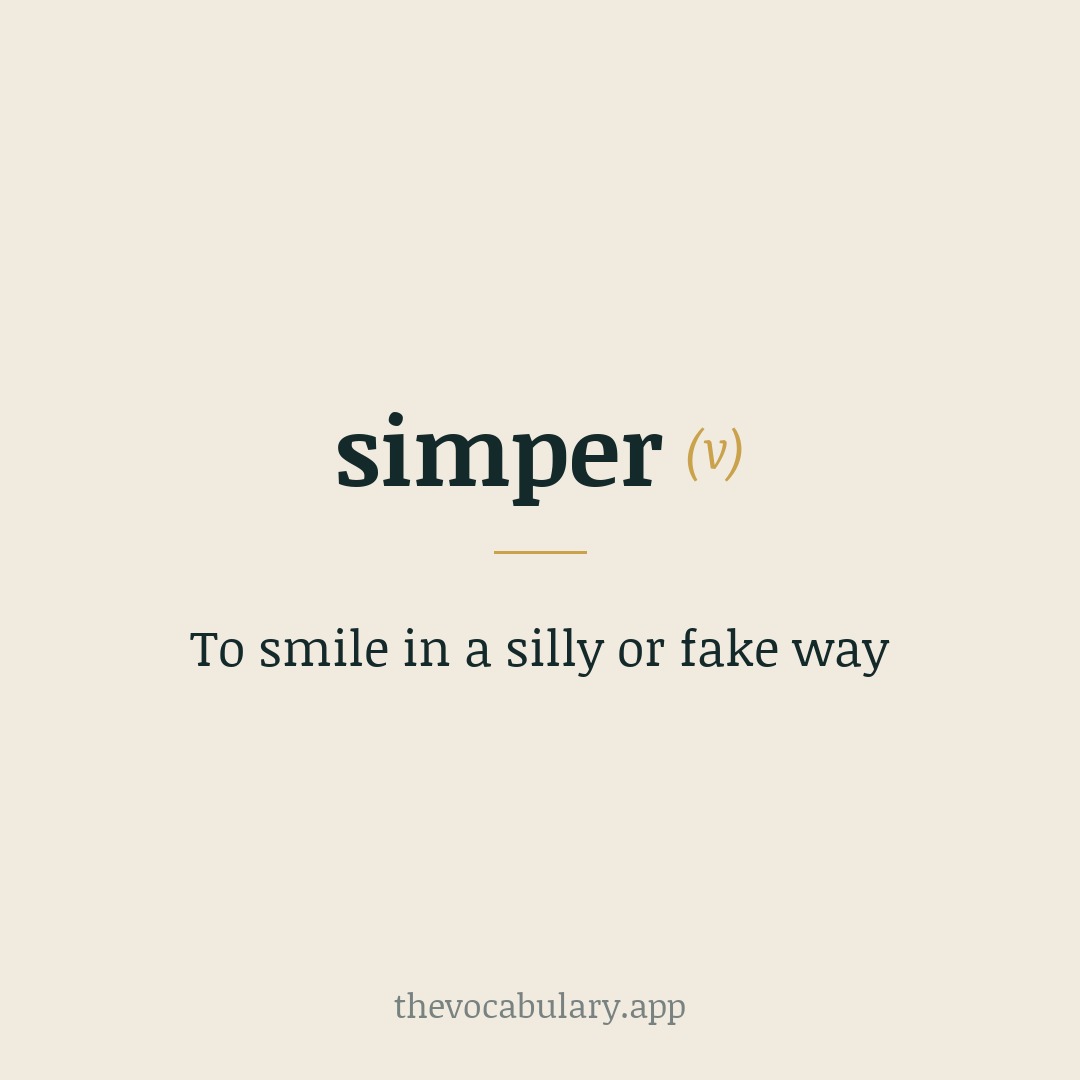
“To smile in a silly or fake way” — Mid-16th c.; from Scandinavian danish semper or Dutch zimperlijk "affected, coy".
13. rover
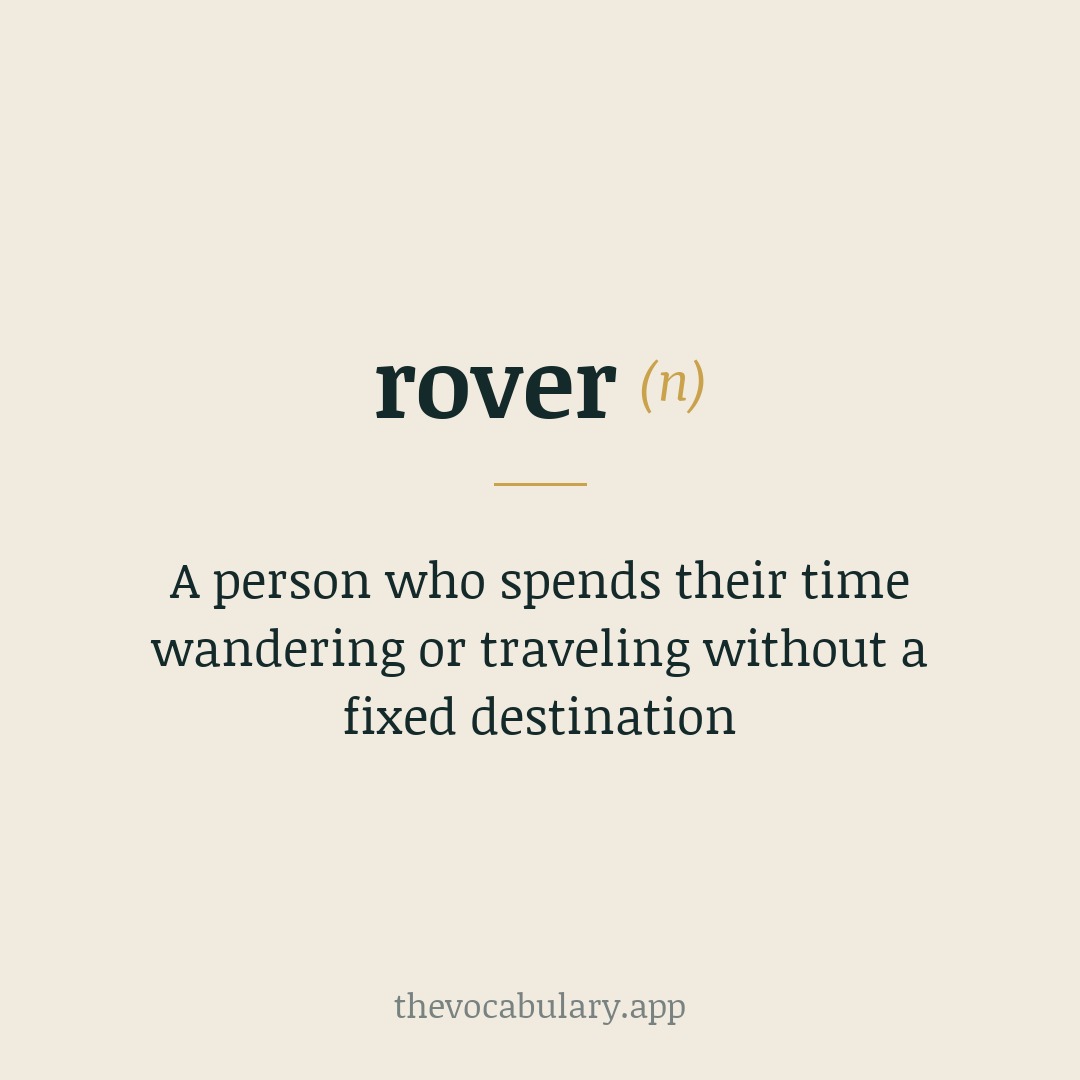
“A person who spends their time wandering or traveling without a fixed destination” — From Middle Dutch 'rover' meaning 'robber'.
14. wainscot
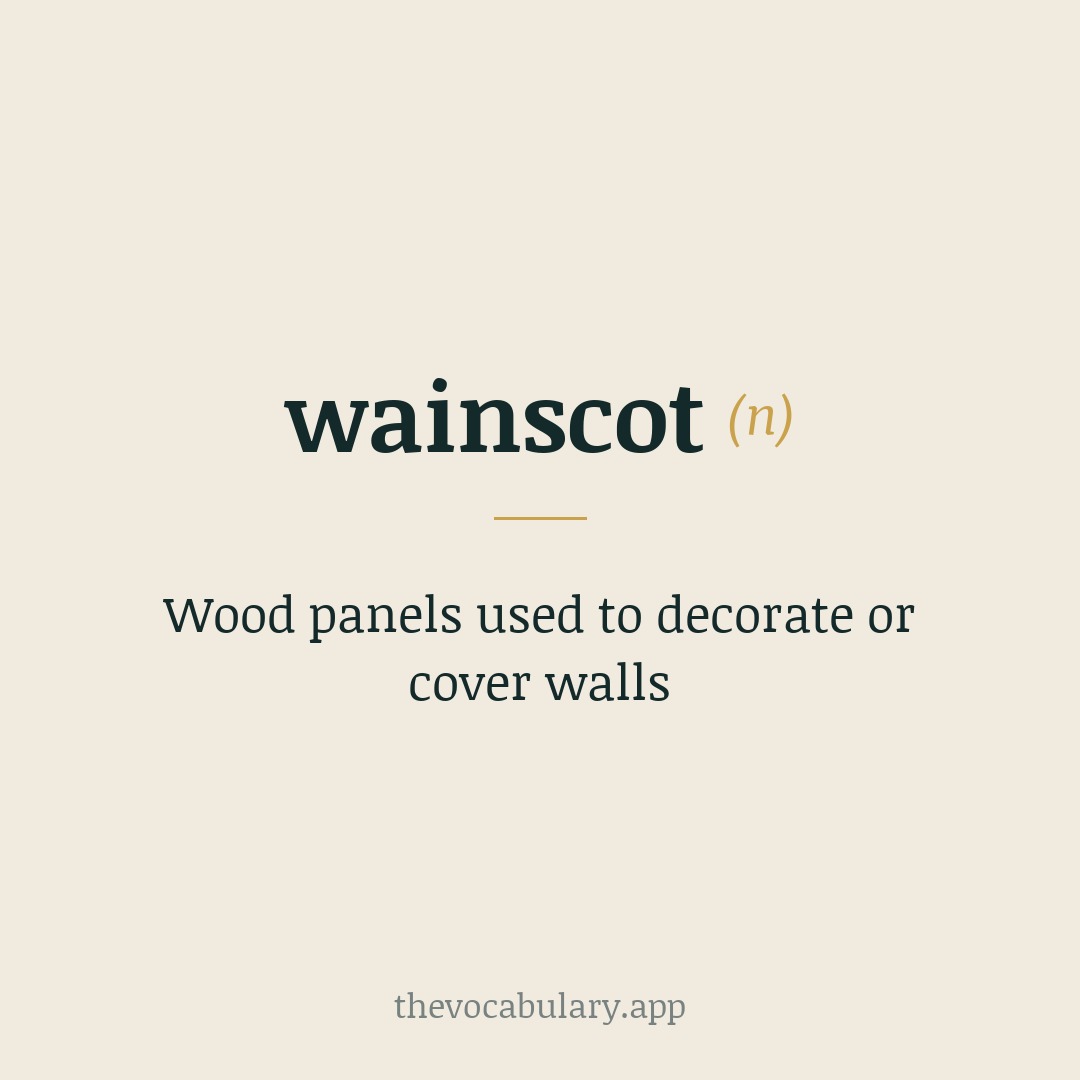
“Wood panels used to decorate or cover walls” — From Middle Dutch 'wagenschot' meaning 'wagon partition'.
15. hoyden
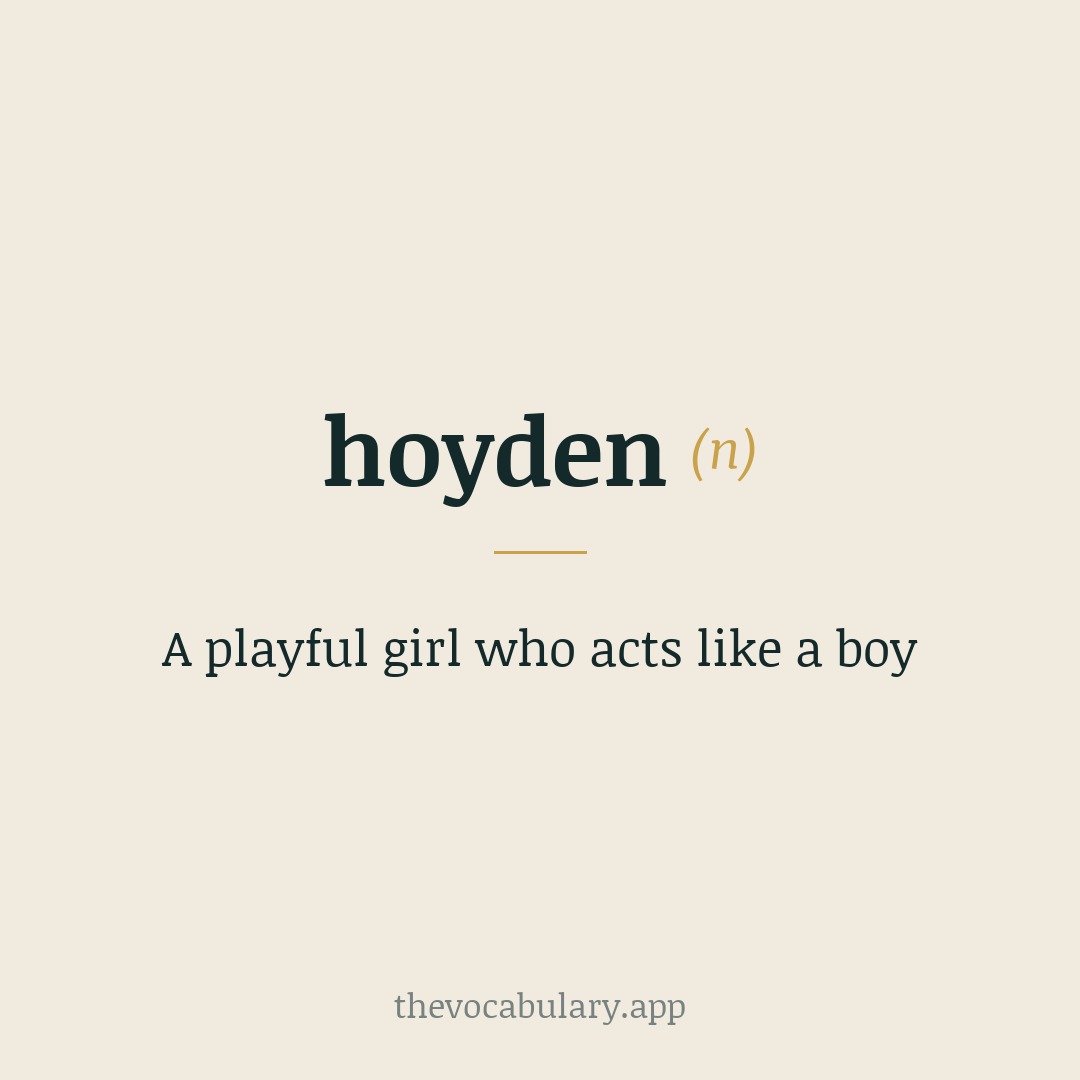
“A playful girl who acts like a boy” — From Middle Dutch 'heiden' meaning 'heathen' or 'rustic'.
Frequently asked questions
What English words come from Dutch?
Everyday Dutch borrowings include snack, boss, cookie, yacht, plug, bulwark, and poppycock. Many arrived through shipping and trade.
Where does 'poppycock' come from?
From a Dutch dialect phrase, pappekak, literally 'soft dung'. It came into English as a polite-sounding way to call something nonsense.
Why are so many sailing words Dutch?
The Dutch led European shipbuilding and sea trade in the 16th and 17th centuries, so English sailors borrowed their vocabulary directly on the docks and at sea.
Is 'boss' a Dutch word?
Yes — it comes from Dutch baas, meaning 'master'. American English adopted it as a word for an employer, partly to avoid the more loaded word 'master'.
