15 English Words the Vikings Left Behind
Learn a new word every day
Free on iOS & Android

The Vikings gave English some of its most everyday words. Here are 15 words from Old Norse — berserk, ransack, husband and more — and where they came from.
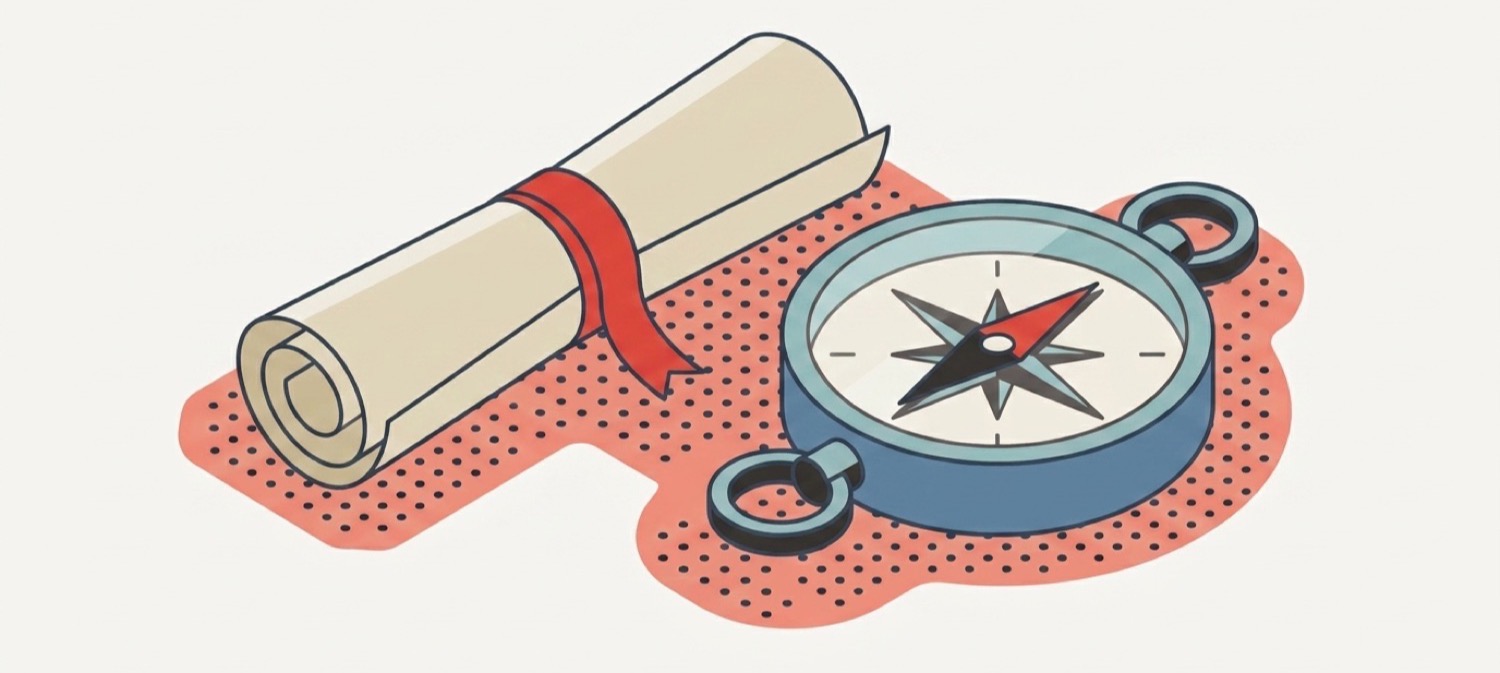
When Norse settlers arrived in Britain over a thousand years ago, they left more than place names behind — they reshaped everyday English. Dozens of the plainest words we use came from Old Norse, the language of the Vikings.
Here are 15 English words with Viking roots. Many are so common you would never guess they were borrowed — which is exactly what happens when two languages live side by side for generations.
How did Old Norse shape English?
Old Norse and Old English were close enough that speakers could half-understand each other, so words crossed over easily. English kept its own shirt but also took Norse skirt; it kept rear but also took raise. Even the pronoun they is a Norse import.
The words below all trace back to Old Norse. Notice how physical and down-to-earth they are — weather, movement, effort. That is the fingerprint of everyday contact between two peoples, not of scholars borrowing from books.
15 English words from Old Norse
1. berserk
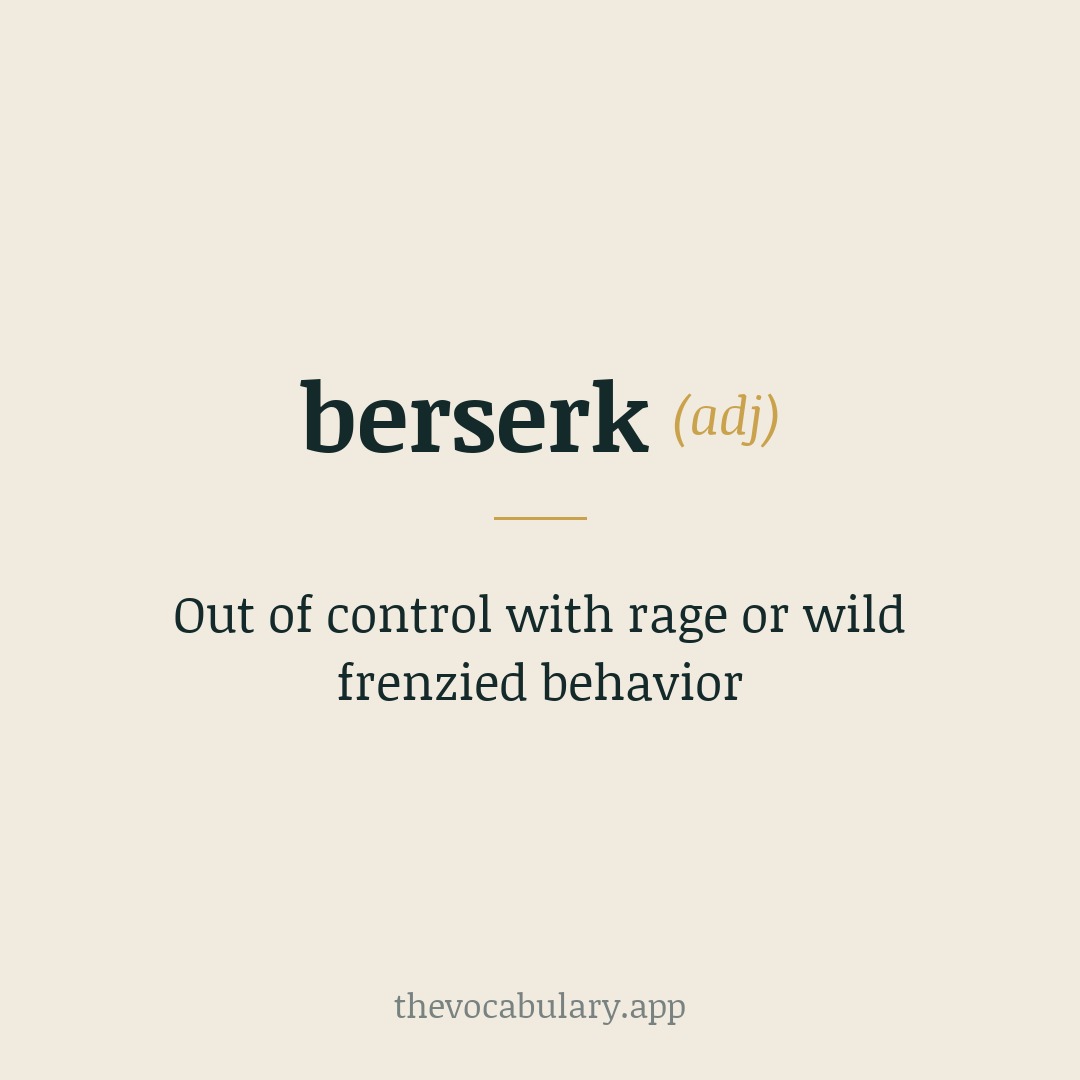
“Out of control with rage or wild frenzied behavior” — From Old Norse berserkr, likely ber- (“bear”) + serkr (“shirt/coatskin”).
2. ransack
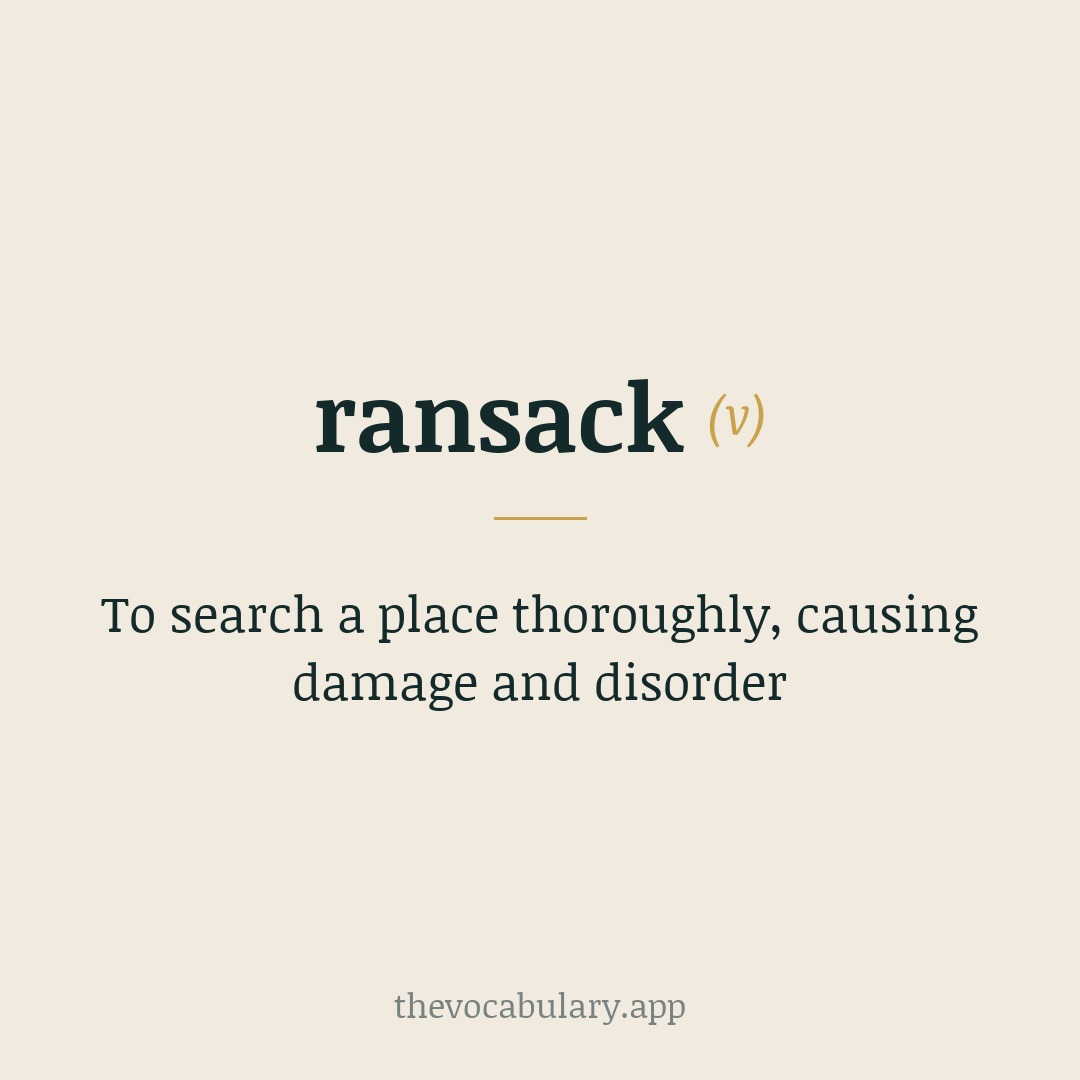
“To search a place thoroughly, causing damage and disorder” — From Old Norse rannsaka “search the house” (rann “house” + saka “to seek”).
3. husband
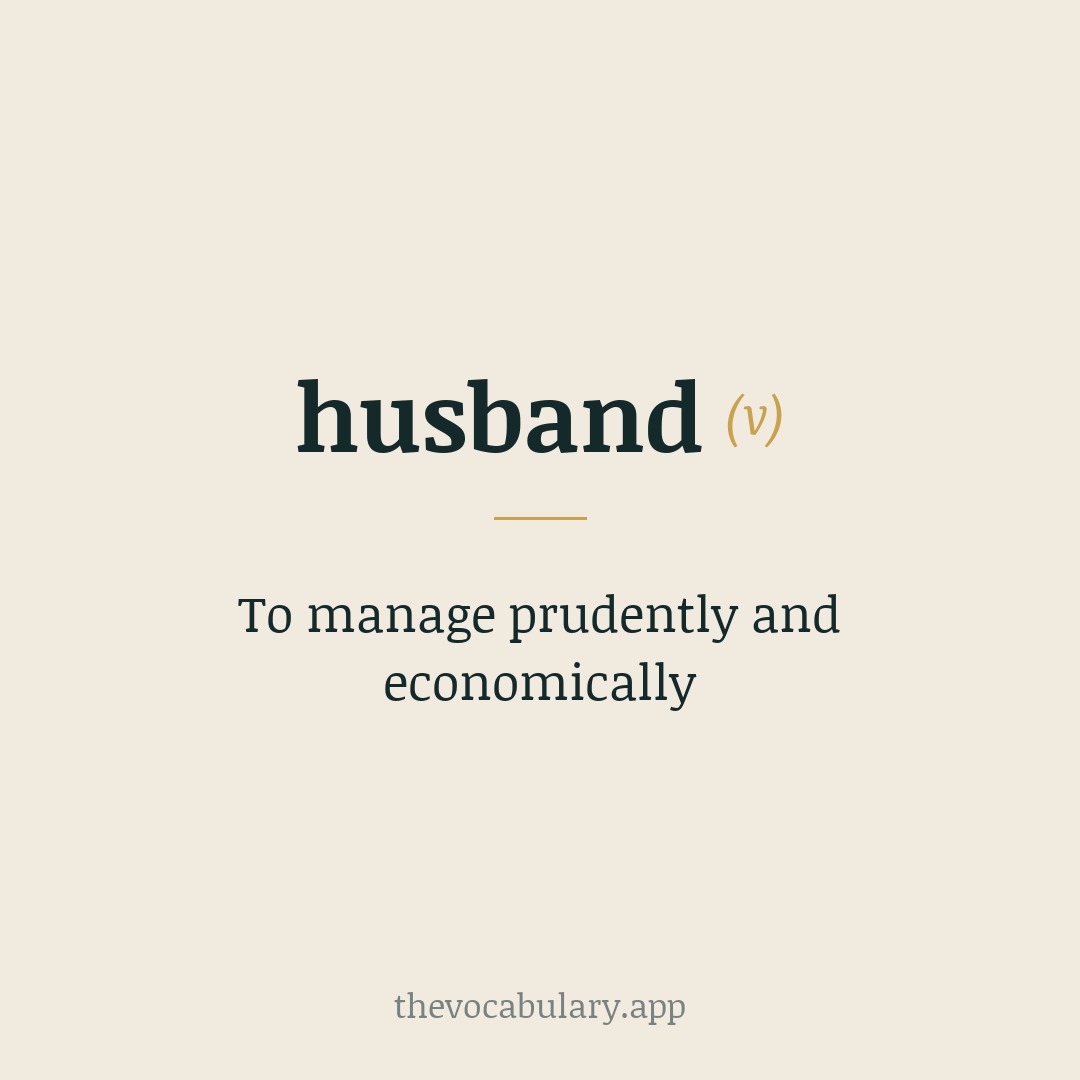
“To manage prudently and economically” — From Middle English husbonde, deriving from Old English hūsbonda and Old Norse hūsbōndi (from hūs 'house').
4. kindle
“To set something alight or start a fire” — From Old Norse kynda, with Middle English frequentative suffix -le.
5. gale
“A very strong wind” — Mid-16th cent. from ME gale 'wind'; perhaps from Old Norse gala 'to sing, rage'.
6. gust
“A sudden strong rush of wind” — From late 16c Old Norse gustr (cold blast), from Proto-Germanic *gustiz.
7. bask
“To enjoy warmth or sunlight” — From Middle English, likely from Old Norse bathask (of batha 'to bathe'), related to Old English bæth.
8. aloft
“High up or overhead” — From Old Norse á lopt (“in the air”), cognate with Germanic luft/loft.
9. sleight
“A skillful trick that's hard to see” — Middle English, from Old Norse slœgth, from slœgr sly.
10. scant
“Barely sufficient in amount” — Mid-14c., from Old Norse skamt ‘short, brief’ via Proto-Germanic *skamma-.
11. rife
“Abundant” — From Middle English 'ryfe', from Old English 'rȳfe', and akin to Old Norse 'rīfr' (meaning 'abundant').
12. hale
“Strong and healthy” — From Middle English 'hale' (from Old English 'hāl') and Middle English 'hail' (from Old Norse 'heill').
13. boon
“A gift or blessing” — From Middle English bone (meaning 'prayer, request'), from Old Norse bōn and Old English bēn (meaning 'prayer, summon').
14. grovel
“To act submissively or humbly” — Back-formation from Middle English groveling, from gruf (Old Norse ā grūfu, meaning 'on the face') + -ling.
15. hygge
“A cozy feeling” — Borrowed from Danish and Norwegian 'hygge', from Old Norse hyggja ‘to think’ and Germanic roots for ‘mind’.
Frequently asked questions
What English words come from the Vikings?
Everyday words like berserk, ransack, husband, gale, sky, knife, and egg all come from Old Norse, the language the Vikings spoke.
Is 'berserk' really a Viking word?
Yes. It comes from Old Norse berserkr, likely 'bear-shirt' — a warrior who fought in a frenzy, supposedly wearing a bear skin instead of armour.
Why do so many everyday words come from Old Norse?
Because Norse and Old English speakers lived together for generations in the north and east of England. Borrowing happened in daily life, so the words that crossed over are ordinary ones, not fancy ones.
How is Old Norse different from Germanic roots?
Old Norse is a North Germanic language, a cousin of Old English rather than an ancestor. That is why Norse borrowings sit alongside native Germanic words — sometimes as near-duplicates like shirt and skirt.
