15 French Root Words Hiding in Everyday English
Learn a new word every day
Free on iOS & Android

Fifteen French roots hiding in everyday English — from panache to sangfroid — with the original meaning behind each borrowed word.
English is stitched together from many languages, but few have left a deeper mark than French. After 1066, French was the language of the English court for centuries, and it poured thousands of words into everyday speech — so many that we rarely notice them anymore.
Here are 15 French roots hiding in plain sight in everyday English. Each still carries a trace of its original meaning, and once you know the story, the word is far easier to remember.
Why is English so full of French?
When the Normans conquered England, French became the language of power — law, food, fashion, and the arts. English absorbed the vocabulary of all of it, which is why we still cook with an Old English word but dine with a French one. Roughly a third of English words trace back to French, and many feel so natural that their origin is a genuine surprise.
The words below show how much meaning survives the journey. Sangfroid is literally 'cold blood' — composure under pressure. Aplomb comes from à plomb, 'according to the plummet', the straight vertical line of a builder's weight, which is why it means steady poise. Panache was once a literal plume of feathers on a helmet before it came to mean flair. Learning a word through its root, the way the MonkeyTaps app does, turns a definition into a picture you can actually remember.
15 French roots hiding in English
1. malaise
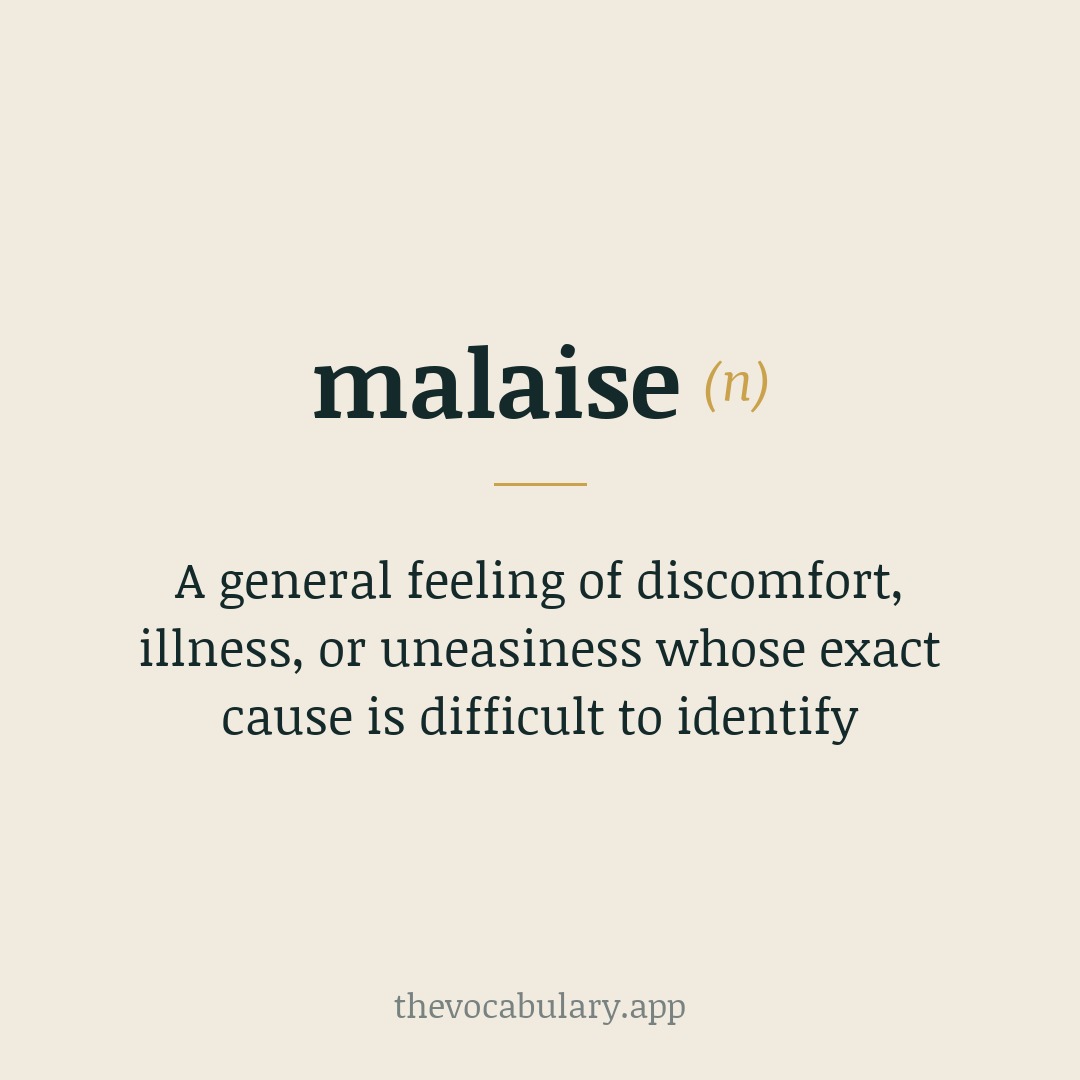
“A general feeling of discomfort, illness, or uneasiness whose exact cause is difficult to identify” — From French 'malaise', from Old French, combining mal- (bad) with aise (comfort).
2. visage
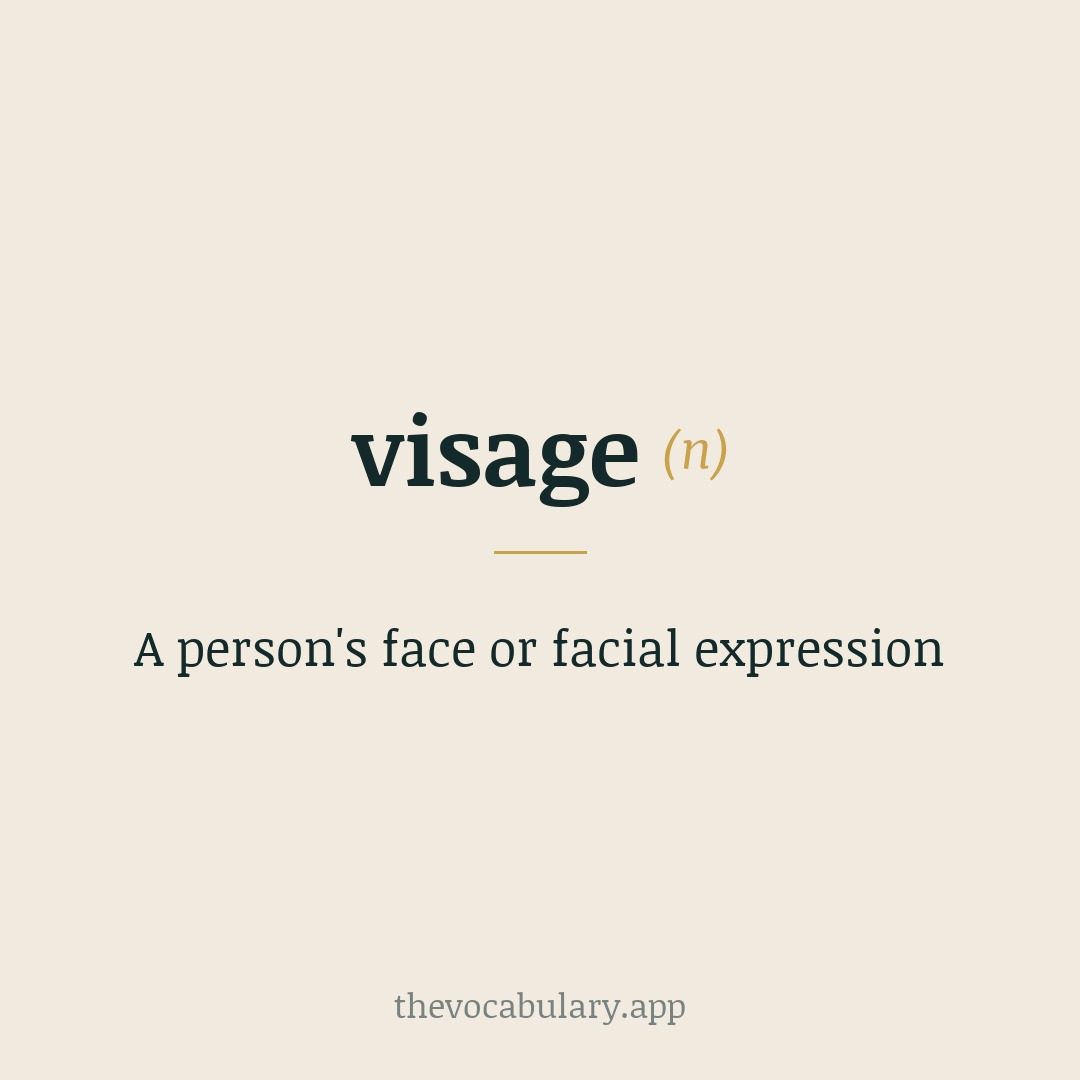
“A person's face or facial expression” — Middle English, from Anglo-French, from vis (face), from Latin visus (sight), from vidēre (to see).
3. flamboyant
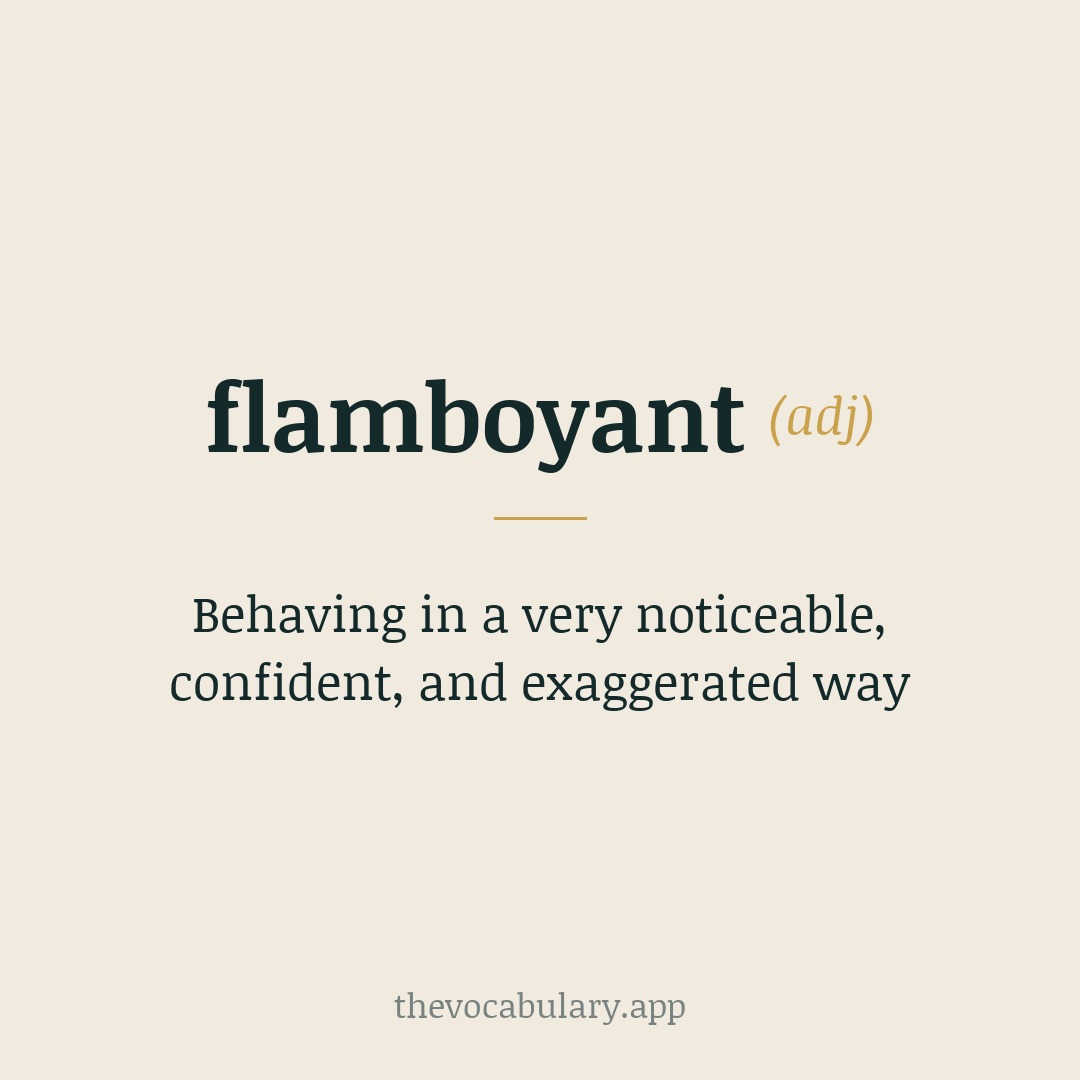
“Behaving in a very noticeable, confident, and exaggerated way” — From French, from the present participle of flamboyer meaning 'to flame,' derived from Old French flambe.
4. sangfroid
“Calmness in difficult situations” — From French sang-froid, literally 'cold blood'.
5. somber
“Dark, gloomy, or serious” — From French 'sombre'.
6. fervent
“Having intense feeling or passion for something” — From Middle English, via Anglo-French and Latin; from Latin fervent-, fervens, the present participle of fervēre meaning 'to boil, froth'.
7. debonair

“Having a charming and sophisticated manner” — From Middle English debonere, from Anglo-French deboneire, from de bon aire meaning 'of good family or nature'.
8. sobriquet
“Nickname” — From French.
9. panache
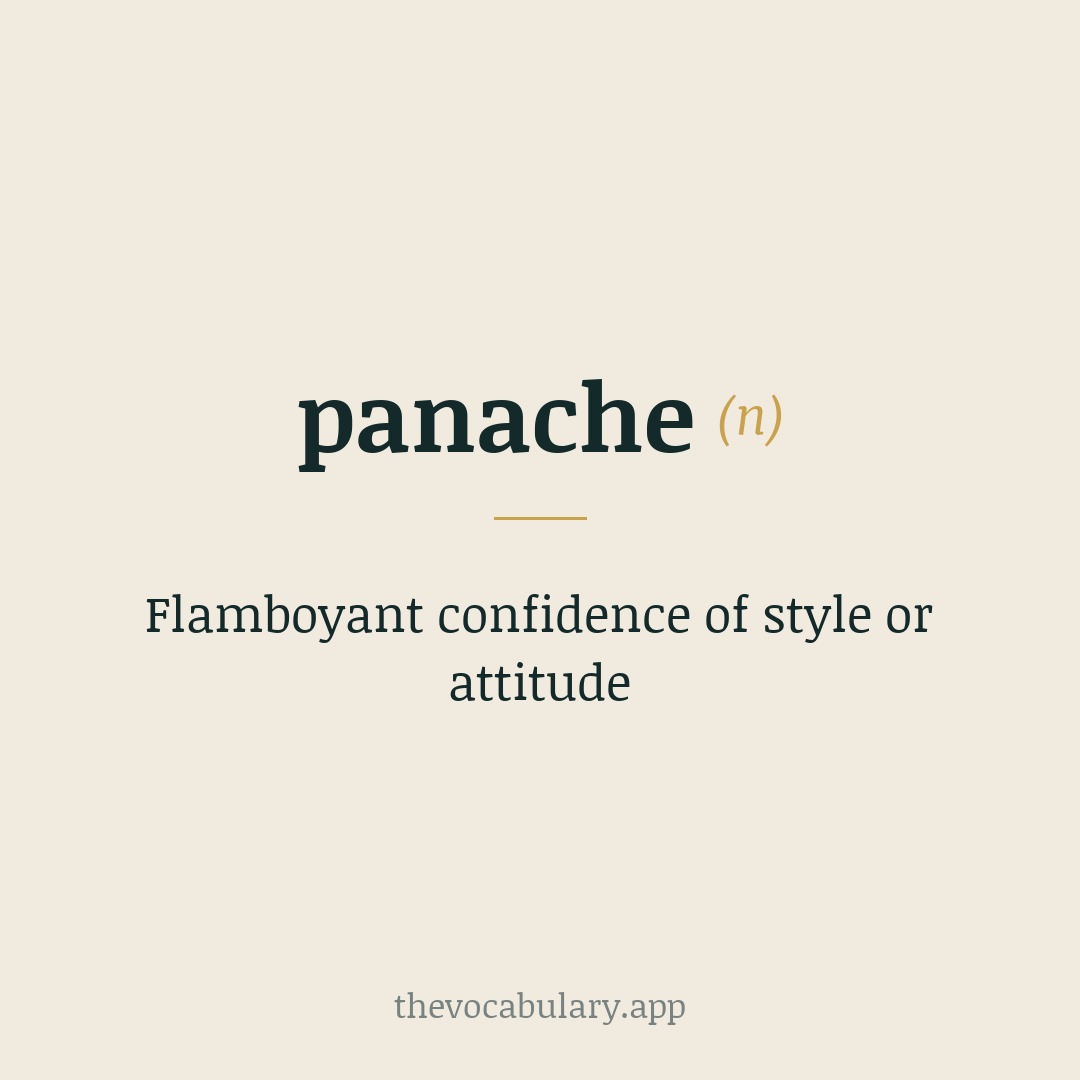
“Flamboyant confidence of style or attitude” — From Middle French pennache, via Old Italian pennacchio and Late Latin pinnaculum ('small wing').
10. aplomb
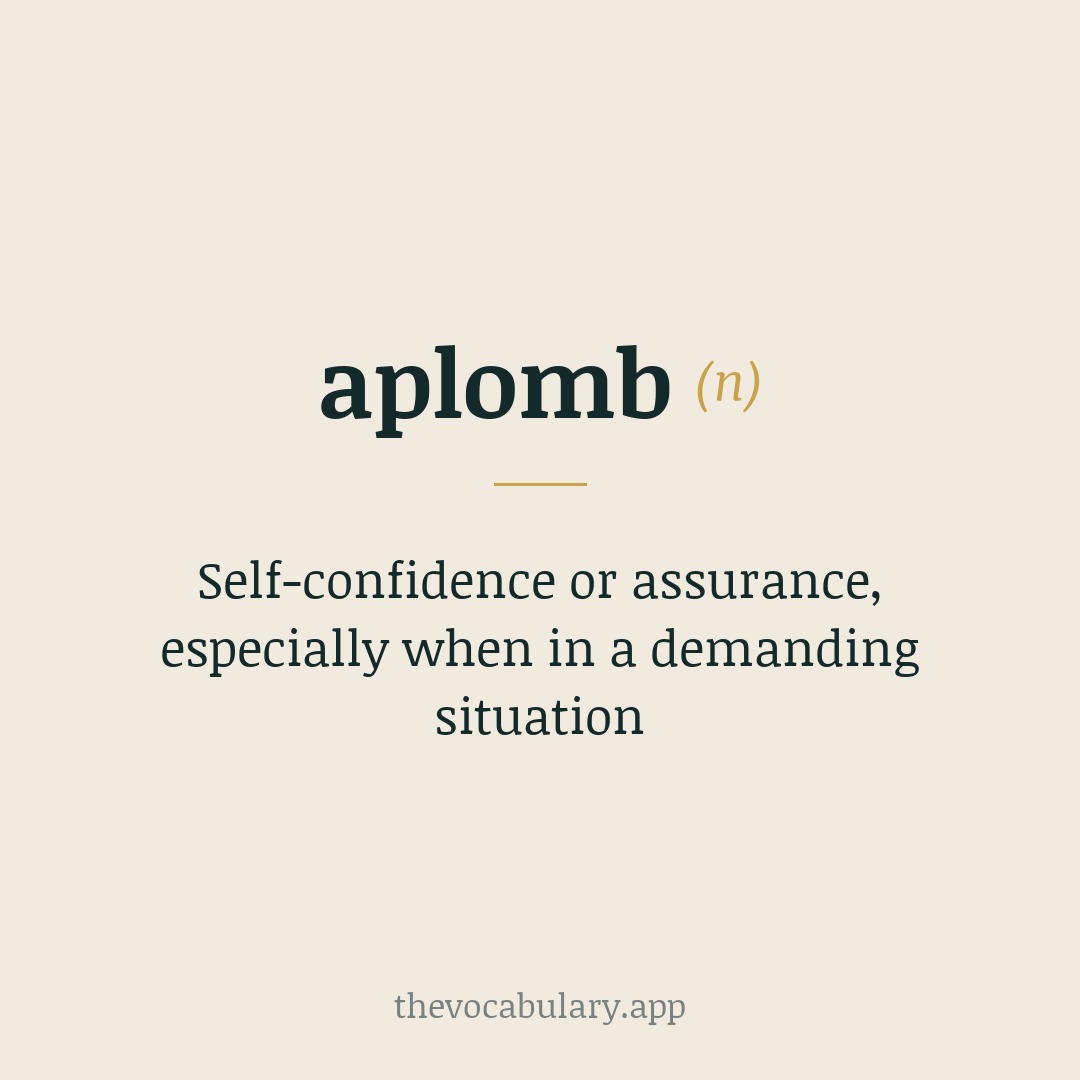
“Self-confidence or assurance, especially when in a demanding situation” — From French meaning 'perpendicularity', ultimately from Middle French a plomb, literally 'according to the plummet'.
11. nonchalant
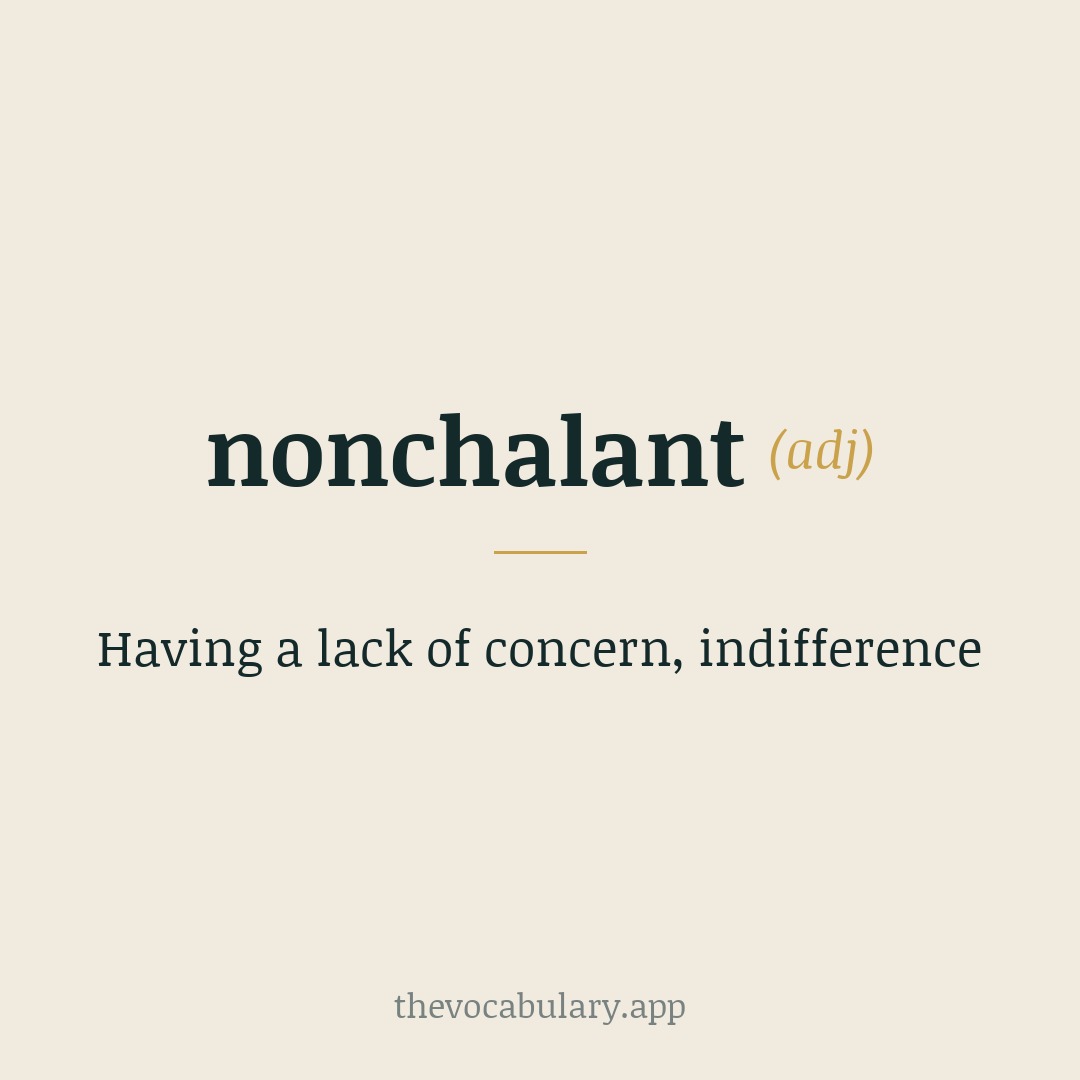
“Having a lack of concern, indifference” — From French nonchaloir meaning 'to disregard', combining non- + chaloir and Latin calēre meaning 'to be warm'.
12. brusque
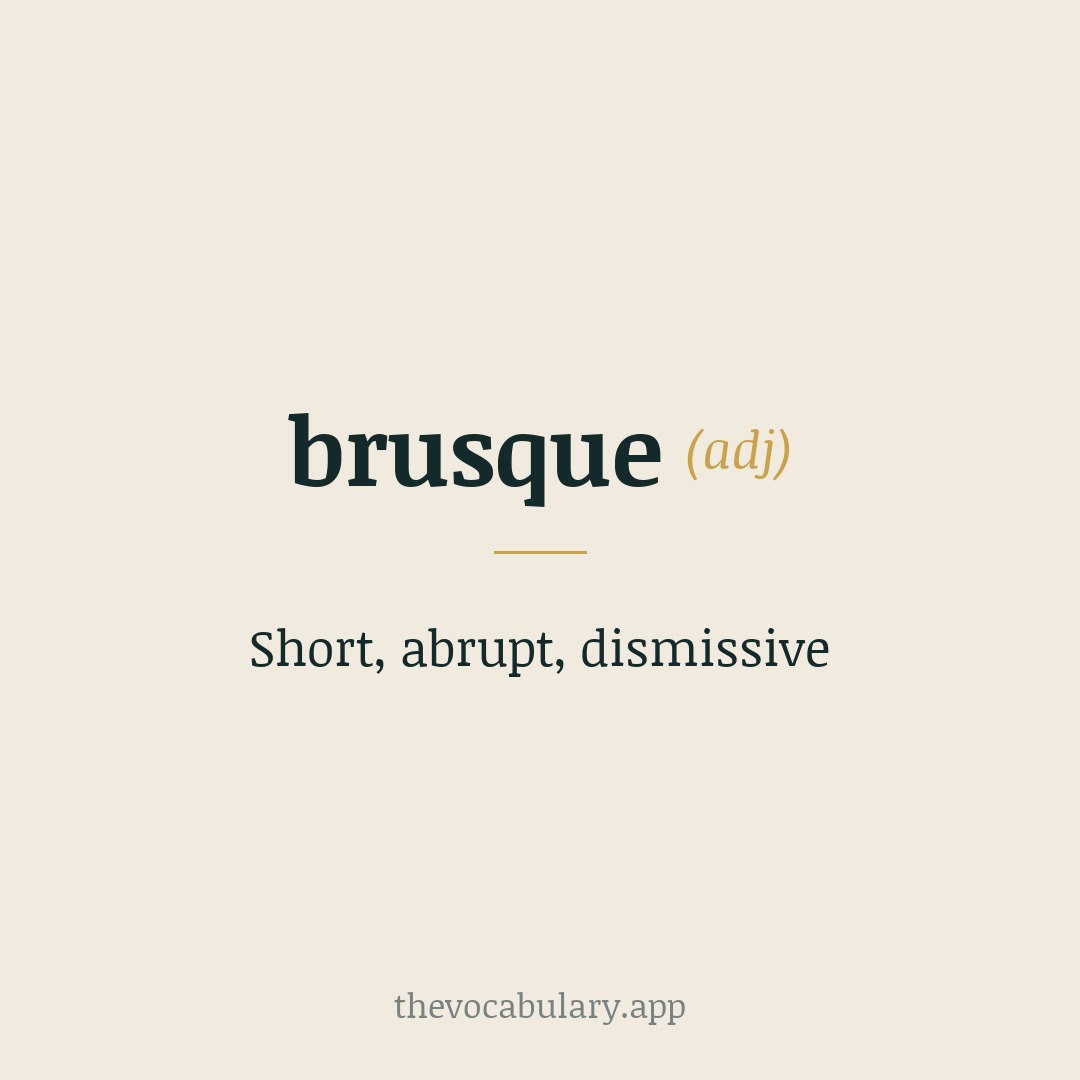
“Short, abrupt, dismissive” — Borrowed from French and Italian 'brusco' (rough, rude, abrupt), from a pre-Latin base *brūsk- (prickliness, roughness).
13. chagrined
“Feeling humiliated or mortified” — From French 'chagrin' meaning 'sorrow' or 'grief'.
14. debauch
“To corrupt by means of sensual pleasures” — Borrowed from French débaucher, from Middle and Old French desbauchier and Germanic balkōn meaning 'to scatter.'.
15. chatoyant
“Changing colors when seen from different angles” — From French: the present participle of chatoyer, meaning 'to shine like a cat's eyes'.
Frequently asked questions
Where do most French words in English come from?
Most entered after the Norman Conquest of 1066, when French was the language of the English court, law, and cuisine for centuries. Around a third of English vocabulary ultimately traces back to French.
What does 'sangfroid' literally mean?
Sangfroid is French for 'cold blood' (sang + froid). It describes the coolness and composure someone keeps in a tense or frightening situation.
Is 'panache' really about feathers?
Yes. Panache comes through French and Italian from Late Latin pinnaculum, 'small wing' — originally the plume of feathers on a helmet. The sense of flamboyant flair grew out of that showy plume.
What's the easiest way to remember loanwords like these?
Anchor each word to its story — 'aplomb comes from the builder's plumb line, so it means steady poise'. A root or image is far stickier than a bare definition, which is the idea behind daily practice in the MonkeyTaps app.
